
Blog
Traditional vs Modern Sofa Frames: Which Lasts Longer
Oct
Table of Contents
- What Sets Traditional and Modern Sofa Frames Apart
- Understanding Sofa Frame Materials and Construction
- How to Choose a Sofa Frame for Your Home
- Sofa Frame Durability: Longevity and Real-World Performance
- Traditional Sofa Styles and Design Details
- Modern and Contemporary Sofa Styles
- Reupholstering an Old Sofa: When It Makes Sense
- Making Your Choice: Practical Guidance for Investment
- Frequently Asked Questions
Last Updated: October 7, 2026
What Sets Traditional and Modern Sofa Frames Apart
The choice between sofa frames traditional modern isn’t just about aesthetics, it fundamentally affects how long your investment will last. At Tetrad sofas, the difference comes down to construction philosophy, materials, and performance.
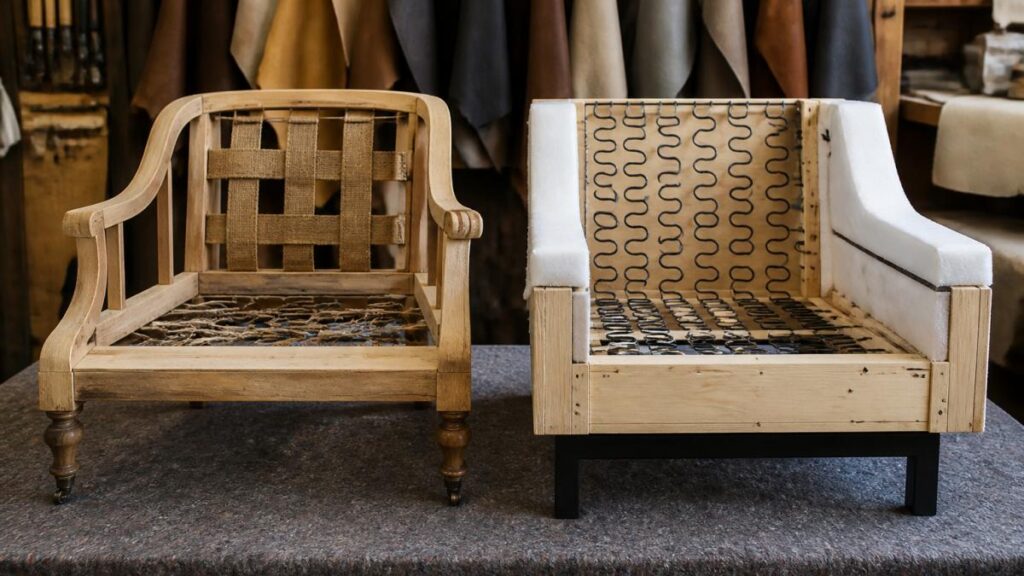
Traditional sofa frames prioritise longevity through time-tested joinery. Modern frames prioritise cost efficiency and design flexibility. Understanding these trade-offs helps you choose a frame that matches your home and durability expectations.
Traditional construction uses techniques refined over centuries, while modern manufacturing introduces materials that work brilliantly for some use cases and less well for others.
Understanding Sofa Frame Materials and Construction
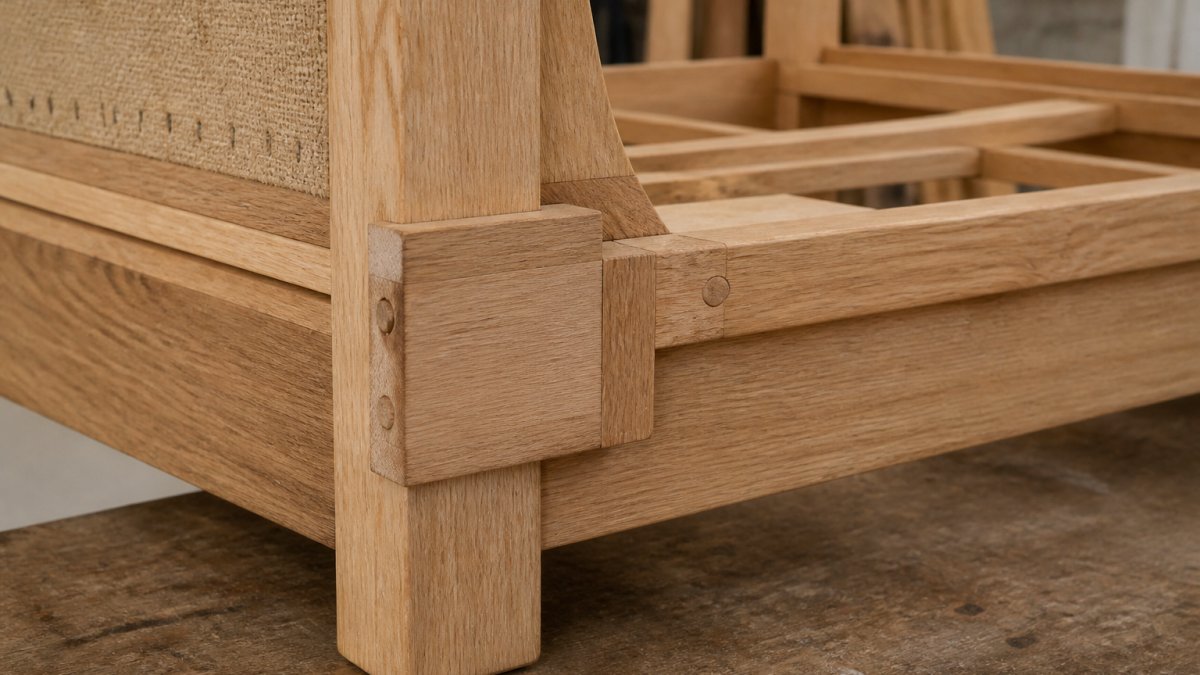
A sofa frame is the structural skeleton of your purchase, determining whether your sofa feels solid in five years or creaks after two.
Traditional frames use solid hardwood throughout. Modern frames increasingly mix hardwood with engineered materials, plywood, or composite boards, affecting both durability and cost.
Hardwood frame options: oak, ash, beech, maple, and walnut
Solid hardwood remains the gold standard for sofa frames. Each species offers different characteristics.
Oak is exceptionally strong and resists warping, ideal for high-use sofas. Its tight grain holds fasteners securely over decades.
Beech is harder than oak and resists compression better, maintaining shape under sustained pressure, valuable in high-backed sofas.
Maple is extremely dense and durable but expensive, typically reserved for luxury pieces.
Walnut is prized for aesthetics and moderate durability. Softer than oak or beech, it benefits from corner blocks and quality joinery.
The key insight most buyers miss: hardwood species matter less than how the wood is dried and jointed.
Modern engineered and composite materials
Modern frame construction increasingly uses plywood, medium-density fibreboard (MDF), and composites. These cost less than solid hardwood and allow greater flexibility in frame shapes.
Plywood resists warping through cross-grain lamination, MDF provides consistent density for precision manufacturing, and composites are lighter, reducing shipping costs.
The limitation is longevity. Engineered materials don’t improve with age and can’t be repaired like solid wood. If an MDF frame fails, you typically replace the entire piece rather than restore it.
Many mass-market sofas combine hardwood with plywood or MDF in less visible areas, a cost-cutting approach that works for five-to-seven-year ownership but fails if you expect twenty years.
How to Choose a Sofa Frame for Your Home
Choosing a frame means evaluating construction quality, use case, and replacement timeline.
A lower-cost frame is good value if you replace furniture every seven years. For a sofa that lasts twenty years, solid hardwood and traditional joinery typically costs less per year of ownership.
Frame joinery and corner blocks: what to inspect
Frame joinery determines whether your sofa stays solid or develops movement and squeaks.
Mortise and tenon joinery is the traditional gold standard.
Dowel joinery uses wooden dowels to align and reinforce joints. Multiple dowels per joint create redundancy, so if one fails, others support the frame.
Corner blocks are triangular hardwood brackets glued and screwed into frame corners.
Pocket-hole joinery is common in modern manufacturing. Angled holes let screws be driven from inside the frame without visible fasteners.
When evaluating a sofa, ask to see the frame construction. Lift the sofa or request photos. Look for visible dowels, corner blocks, and reinforcement.
Matching frame style to your interior design
The frame you choose should complement your room’s aesthetic while supporting functional needs.
Traditional frames are often heavier and more difficult to move because of their substantial construction. Modern frames can be lighter, making them better for rental properties or homes where you might relocate furniture frequently.
Sofa Frame Durability: Longevity and Real-World Performance
How long a quality frame should last
A well-constructed traditional frame with solid hardwood and proper joinery typically lasts twenty to thirty years under normal residential use, and some last fifty years or longer if maintained.
A modern frame with engineered materials and pocket-hole joinery typically lasts seven to twelve years before structural issues emerge.
The difference isn’t about quality in absolute terms but design intent: traditional frames are engineered to last generations, modern frames to cost less and be easier to manufacture.
Factors that shorten frame lifespan
Several factors accelerate frame failure regardless of construction type.
Humidity fluctuation causes wood to expand and contract.
Inadequate support under cushions causes frames to sag and fail. Without webbing or a deck strong enough to support weight, the wood flexes excessively and joints loosen.
Poor glue joints fail when frames are moved frequently or subjected to vibration. Cheap glues don’t create permanent bonds.
Insect damage and moisture destroy frames from inside out. Dry rot and woodworm are rare in modern homes but can occur in damp environments or if sofas are stored improperly.
Heavy use and abuse accelerates wear. A frame designed for a formal living room may fail quickly if it becomes a daily jumping platform for children.
Traditional Sofa Styles and Design Details
Traditional sofas carry design language that communicates craftsmanship and heritage, helping you choose a frame that aligns with your home’s aesthetic.
Chesterfield, Lawson, and high-backed classics
The Chesterfield is the most recognisable traditional style, with deep button tufting, rolled arms, and a low back.
The Lawson sofa features a higher back, rolled arms, and a more vertical profile than a Chesterfield. The frame must support the higher back without flexing, so Lawson sofas typically feature solid hardwood construction with reinforced upper frame sections.
High-backed sofas generally demand stronger frames because the back structure carries more stress. Traditional high-backed designs often incorporate visible wooden frames or legs, so frame quality directly affects visual appeal and durability.
Rolled arms, buttoning, and tufting
Rolled arms curve outward and downward, and the arm structure must maintain its curve over years of use. Traditional frames achieve this through careful wood selection and precise joinery, the curve built into the frame structure itself.
Buttoning involves pulling thread through the upholstery and frame to create dimples. It adds visual interest but creates stress points where the thread pulls the upholstery against the frame, so frames must withstand this ongoing tension.
Tufting is similar to buttoning but creates a more dramatic, quilted appearance. Deep tufting places enormous stress on frame corners, so only solid hardwood frames with exceptional joinery can reliably support it for decades.
Modern and Contemporary Sofa Styles
Modern frames emphasise clean lines, minimalist silhouettes, and visual simplicity. The frame becomes secondary to the upholstery and overall form.
Clean lines, low profiles, and minimalist silhouettes
Modern sofas typically feature low backs and horizontal emphasis, with the frame often completely hidden beneath upholstery, meaning you’re purchasing frame durability blind, based entirely on the manufacturer’s reputation and specifications.
Low-profile frames are lighter and create a more open visual feeling, working beautifully in contemporary and minimalist interiors. The trade-off is that lower backs provide less structural support, so frames must be reinforced internally to prevent sagging.
Clean-lined frames with minimal visible wood or legs suit modern aesthetics, with block legs or simple metal feet replacing the ornate turned legs of traditional sofas.
Scandinavian and industrial influences
Scandinavian design emphasises function, simplicity, and natural materials. Scandinavian sofas often feature solid wood frames with visible construction details, not for ornamentation but because the joinery is honest and well-executed. They’re lighter than traditional British sofas but still built to last.
Industrial-style frames often incorporate metal elements alongside wood. Steel or iron legs and frame reinforcement create a hybrid structure that works well for loft spaces and contemporary homes, and the metal components don’t degrade the way engineered materials can.
Reupholstering an Old Sofa: When It Makes Sense
Reupholstering breathes new life into a sofa with a quality frame, but only makes sense if the frame is genuinely sound.
Assessing frame quality before investing in reupholstery
Before committing to reupholstery, have the frame professionally inspected. Look for these signs of a frame worth saving:
- Solid hardwood construction (not plywood or MDF)
- Tight joints with no visible movement or squeaks
- Substantial corner blocks at every joint
- No signs of woodworm, rot, or water damage
- Original mortise and tenon or dowel joinery
If the frame flexes, creaks, or shows signs of previous repairs, reupholstery won’t fix structural problems. You’re essentially paying to dress up a failing piece.
Cost, sustainability, and value over time
Reupholstering typically costs between £1,500 and £4,000 depending on size, fabric, and complexity, making sense only if the frame is worth more than that cost and you love the design.
Reupholstering extends a sofa’s life by another ten to twenty years, far more environmentally responsible than discarding it. If your sofa has a quality frame, reupholstering is almost always the more sustainable choice.
At Tetrad sofas, we often see customers reupholster pieces that are fifteen or twenty years old. The frame quality determines whether that investment makes sense. A Tetrad frame with proper care and maintenance can absolutely support reupholstery and continue performing for decades.
Making Your Choice: Practical Guidance for Investment
Your decision between sofa frames traditional modern should rest on three questions: How long do you want to keep this sofa? How intensively will you use it? What’s your replacement budget?
If you’re furnishing a rental property or expect to replace furniture every five to seven years, a modern frame with engineered materials offers reasonable value.
The real insight: frame construction is the single most important factor in sofa longevity. Upholstery can be replaced and cushions refreshed, but the frame is permanent. Choose it carefully.
When evaluating specific sofas, ask the manufacturer about frame materials, joinery methods, and corner blocking, and request photos or in-person inspection.
Choosing between traditional and modern sofa frames ultimately comes down to your vision for how long you want your furniture to last. If you’re seeking a piece built to endure, one that can be refreshed, reupholstered, and genuinely improved over time, explore Tetrad’s collection of handcrafted sofas. With over fifty years of craftsmanship behind every frame, Tetrad sofas are designed to become part of your home’s story for decades to come. Explore our collection and discover sofas built to last.
Frequently Asked Questions
What is the difference between a traditional and a modern sofa frame?
Traditional frames use solid hardwood like oak, ash, or walnut joined with mortise-and-tenon joinery and reinforced corner blocks, designed to flex slightly under weight. Modern frames often use engineered wood, plywood, or composite materials with stapled or glued joints, prioritising cost efficiency and consistent performance. Traditional construction typically allows for easier repair and reupholstering; modern frames are lighter and often more affordable, but less repairable once joints fail.
Which sofa frame material is the most durable?
Kiln-dried hardwood frames, particularly oak, ash, beech, and walnut, offer the longest lifespan when properly constructed with traditional joinery. These frames can last 20+ years with regular use. Quality engineered wood frames can also perform well if made with high-grade plywood and strong adhesives, though they typically don’t match the longevity of solid hardwood. The durability depends more on joinery method and wood quality than on material type alone.
Is it worth reupholstering a sofa with a traditional frame?
Yes, if the frame is structurally sound. Traditional hardwood frames with proper joinery can be reupholstered multiple times over decades, making them excellent long-term investments. Before committing, inspect the frame for cracks, loose joints, or woodworm. If the structure is solid, reupholstering costs less than replacing the sofa entirely and extends its life significantly. Modern frames with stapled joints are harder and more expensive to reupholster, making this option less economical for those pieces.
How can you tell if a sofa frame is well made?
Look for solid hardwood construction, mortise-and-tenon or dowel joinery at corners, and hardwood corner blocks for reinforcement. The frame should feel stable with minimal flex when you press down firmly. Check for kiln-dried wood (resists warping) rather than green or air-dried lumber. Examine seams for gaps or cracks. A quality frame will have no visible staples holding major joints together, these indicate cheaper construction. Ask the maker about wood species, drying methods, and joinery techniques before purchasing.
