
Blog
Investment-Grade Living Room Furniture: Top Retailers 2026
Oct
Table of Contents
- What Makes Investment-Grade Living Room Furniture Worth the Cost
- How to Spot Investment Furniture: Structural and Material Standards
- Handcrafted British Furniture Brands Leading the Market
- Luxury Furniture Buying Guide 2026: Retailer Vetting and Selection
- Resale Value and Asset Appreciation
- Verification of Authenticity and Provenance
- Sustainable Luxury and Environmental Responsibility
- Frequently Asked Questions
Last Updated: October 2, 2026
What Makes Investment-Grade Living Room Furniture Worth the Cost
Investment-grade living room furniture is a deliberate choice to own pieces that appreciate rather than depreciate, crafted with techniques and materials designed to outlast trends by decades.
A sofa constructed with hand-tied coil springs, mortise-and-tenon joinery, and sustainably sourced hardwood frames will feel and perform differently after 15 years than one assembled with staples and particleboard. Investment-grade pieces improve with age, developing character and patina that reflect their owner’s life.
Furniture at this price point should be treated as a long-term asset: the best pieces hold resale value, can be reupholstered rather than replaced, and become conversation points in your home.
How to Spot Investment Furniture: Structural and Material Standards
Investment furniture reveals itself through construction details most shoppers never examine. Understanding the specific standards that separate genuinely durable pieces from those banking on brand prestige alone is essential before committing to a purchase.
Frame Construction and Joinery Techniques
Quality frames use hardwood, typically beech, oak, or ash, selected for strength and stability. Avoid softwood, MDF, or plywood as primary structural elements; these cannot withstand decades of use without sagging or warping.
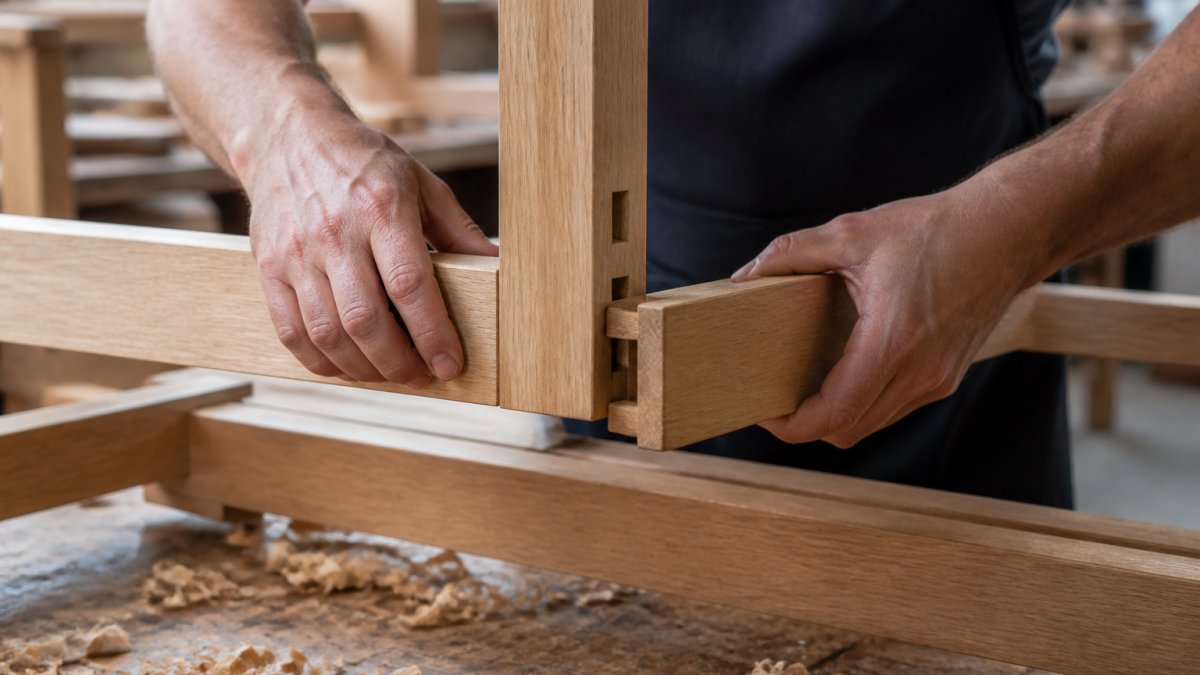
Mortise-and-tenon joints, where a projecting piece fits into a corresponding slot and is secured with glue and dowels, create connections stronger than the wood itself.
Corner blocks, triangular or L-shaped reinforcements glued and screwed into frame joints, add critical support. Quality manufacturers use hardwood blocks on every major joint; substantial wooden bracing indicates longevity, while flimsy metal brackets suggest a shorter lifespan.
Traditional coil springs distribute weight more evenly than foam-only construction. Hand-tied springs, where each coil is individually secured with twine to its neighbours and the frame, offer superior comfort retention.
Upholstery Durability and Premium Textiles
The fabric or leather you choose determines both comfort and longevity. Investment-grade furniture typically uses premium textiles engineered for performance, not just aesthetics.
Natural fibres like wool, linen, and cotton age beautifully, developing a lived-in patina that synthetics cannot match.
Full-grain Italian leather develops character over time, with natural patina and marks adding to authenticity. Avoid corrected-grain or bonded leather, which are plastic overlays on lower-quality hides and cannot be restored or recoloured.
Seam quality determines longevity. Investment manufacturers use tight, even stitching (6-8 stitches per inch) with matching thread. Loose or irregular seaming signals corners cut during production.
High-density foam (35kg/m³ or higher) resists compression and maintains shape far longer than standard foam.
When evaluating upholstery, ask manufacturers for fibre content percentages and durability ratings. Look for Martindale counts (a measure of fabric durability) above 50,000 cycles for heavy-use pieces, anything below 20,000 will show visible wear within 3-5 years.
Handcrafted British Furniture Brands Leading the Market
Several manufacturers have built reputations for investment-grade furniture through decades of consistent quality. Understanding which brands prioritise craftsmanship over volume helps you make informed choices.
Tetrad: Heritage and Artisanal Production
Tetrad stands as one of the UK’s most respected manufacturers of investment-grade sofas and chairs, with over 50 years of heritage built on hand-built frames, traditional suspension systems, and partnerships with specialist retailers.
Every Tetrad piece starts with sustainably sourced hardwood frames assembled using mortise-and-tenon joinery and traditional coil-spring suspension hand-tied to the frame. Upholstery options include Harris Tweed, premium Italian leather, and carefully curated fabric collections, allowing genuine customisation.
Tetrad-trained installers provide white glove delivery and aftercare service, positioning pieces carefully, briefing owners on care, and protecting homes during installation, reflecting the brand’s understanding that investment furniture demands a different retail experience.
Other Investment-Grade Manufacturers
Duresta, another heritage British manufacturer, specialises in deep, comfortable seating with hardwood frames, traditional suspension, and extensive fabric and leather options. Multiyork combines handcrafted construction with contemporary design aesthetics, offering bespoke sizing and fabric selection. Poltrona Frau (Italian) represents the pinnacle of investment-grade upholstery, with hand-finished leather and museum-standard frames; prices are considerably higher but resale values reflect the craftsmanship.
Investment-grade British manufacturers share common traits: hardwood frames, traditional joinery, coil-spring suspension, premium upholstery options, and direct relationships with specialist retailers who understand aftercare. These elements are non-negotiable markers of genuine quality.
Luxury Furniture Buying Guide 2026: Retailer Vetting and Selection
Where you purchase investment-grade living room furniture matters as much as which piece you choose. The right retailer provides expertise, ensures quality control, and delivers service that protects your investment.
Specialist Retailers vs. Direct Manufacturers
Specialist retailers like Artisan Sofas, who partner with brands like Tetrad, offer advantages that direct manufacturer sales cannot match. These retailers employ staff trained in construction details, upholstery characteristics, and the specific customisation options each brand offers.
Specialist retailers also provide crucial curation. Rather than stocking every sofa a manufacturer produces, they select collections that represent the best value and construction at different price points.
Direct manufacturer sales cut retail margins but often sacrifice personalised guidance. You’re buying based on photographs and specifications rather than tactile assessment.
White Glove Delivery and Showroom Experience
White glove delivery is not a luxury add-on for investment furniture; it’s a necessity. Pieces costing several thousand pounds deserve installation by trained professionals who understand how to protect your home and position furniture correctly.
Quality delivery services include:
- Professional wrapping and protection of doorways and floors
- Careful maneuvering to avoid damage to the piece or your home
- Positioning according to your specifications
- Removal of all packaging materials
- Brief owner orientation on care and maintenance
The best retailers discuss fabric and leather choices in detail, explaining how different materials will age and what maintenance they require. They ask about your lifestyle: do you have pets, children, or light-coloured walls that demand stain resistance?
This consultative approach identifies which pieces genuinely suit your home and use patterns.
Resale Value and Asset Appreciation
Investment-grade furniture differs fundamentally from consumer goods in one critical way: resale value. A quality sofa has a depreciation curve far gentler than mass-produced alternatives.
This resale resilience depends on several factors. Brand heritage matters: Tetrad and other established manufacturers have active secondary markets where buyers actively seek out used pieces. Construction quality affects resale directly, a sofa with visible frame damage, sagging suspension, or worn seams sells for a fraction of its original price, while one with minor upholstery wear often commands 50%+ of original cost.
Upholstery condition drives resale value more than any other factor. Leather pieces often appreciate relative to fabric alternatives because leather can be professionally cleaned and reconditioned, restoring appearance without replacement.
The secondary market for investment furniture is increasingly accessible. Specialist resellers, online platforms, and even high-street consignment shops now focus on quality furniture. This liquidity means you’re not locked into ownership indefinitely; if your needs change, you have options for recouping a meaningful portion of your investment.
Verification of Authenticity and Provenance
As investment-grade furniture commands higher prices, counterfeit and misrepresented pieces become a concern. Verification protects both your purchase and your investment’s future resale value.
Authentic Tetrad pieces carry specific markers. Manufacturer labels, typically sewn into upholstery or attached to frames, include batch numbers and production dates. These labels should be professional, clearly printed, and consistent with the era of production. Tetrad also provides documentation, delivery paperwork, care instructions, and sometimes certificates of authenticity for bespoke commissions.
Frame construction tells a clear story. Genuine investment-grade sofas show evidence of hand assembly: slightly irregular spacing in mortise-and-tenon joints, visible hand-planing marks on hardwood, and individual variations in coil-spring hand-tying.
Provenance matters for resale. If you’re purchasing a used piece, ask for original purchase documentation, delivery paperwork, or retailer receipts. These documents significantly increase resale value and buyer confidence. Pieces without provenance sell for 20-30% less than equivalent items with clear ownership history.
For high-value purchases, consider professional authentication. Specialists in British furniture manufacturing can examine construction techniques, upholstery methods, and materials to verify authenticity.
Beware of “vintage” or “estate” sofas sold without clear provenance or construction details. A sofa claiming to be 30 years old but showing modern stapling techniques or synthetic suspension systems has been substantially rebuilt, often a sign that original construction quality was compromised.
Sustainable Luxury and Environmental Responsibility
Investment-grade furniture and environmental responsibility align more closely than mass-produced alternatives. Pieces built to last 20+ years inherently consume fewer resources over their lifetime than sofas replaced every 5-7 years.
Quality manufacturers increasingly prioritise sustainable sourcing. Tetrad uses hardwood from responsibly managed forests.
Leather sourcing matters environmentally. Full-grain leather, the most durable and investment-grade option, comes from hides that would otherwise be waste products from meat production.
The true environmental advantage of investment furniture lies in longevity.
Manufacturers committed to environmental responsibility typically provide detailed information about sourcing, tanning methods, and end-of-life options.
Investment-grade living room furniture demands a different approach to shopping than standard retail. You’re evaluating construction techniques, material durability, and long-term resale potential alongside aesthetic preference.
Frequently Asked Questions
What defines investment-grade furniture for British homes?
Investment-grade living room furniture combines hand-built hardwood frames with premium upholstery, designed to retain value over decades. Look for mortise and tenon joinery, traditional coil-sprung suspension, and materials like Harris Tweed or Italian leather. Pieces should come from established manufacturers with proven heritage and transparent provenance. British-made pieces are often sourced from artisanal producers with 50+ years of craftsmanship.
How do I know if a handcrafted British furniture brand is authentic?
Verify authenticity through the manufacturer’s direct website, established specialist retailers, and professional certifications. Ask for documentation of frame materials, suspension methods, and upholstery specifications. Reputable handcrafted British furniture brands provide detailed construction information and often offer white glove delivery with installation support. Cross-reference the retailer’s tenure in the market and customer reviews focusing on delivery quality and long-term durability rather than price alone.
What should I look for in a white glove delivery service?
Professional white glove delivery should include careful handling with protective coverings, placement in your chosen room, removal of packaging materials, and basic positioning to avoid floor damage. The service team should be able to address immediate concerns about placement or condition.
How can I assess whether investment-grade living room furniture will hold its value?
Evaluate resale potential by researching comparable pieces on specialist marketplaces, checking whether the brand has consistent demand among collectors, and assessing material quality that resists fashion cycles. Document purchase receipts, care records, and condition photographs. Pieces from established manufacturers with strong provenance and minimal wear command premium resale prices, particularly if original upholstery remains in excellent condition.
