
Blog
Why Choose Furniture Designed for Period Homes
Nov
Last Updated: November 18, 2026
Quick Summary
Furniture designed for period homes starts from proportion, which makes a room feel right. Period properties were built around measured ceiling heights, window spacing and doorways, so a sofa that ignores that scale can look out of place even when it is well made.
- Measure the narrowest point on the delivery route, including the turn at the top of the stairs.
- Use a taller back and more substantial arms in rooms with high ceilings and tall sash windows.
- Choose slimmer arms and a lighter profile in smaller rooms with lower ceilings.
- Align the sofa’s length with the dominant wall or fireplace opening.
- Check the sofa’s back height against the window sill and picture rail lines.
Table of Contents
- Why Proportion and Scale Matter in Period Properties
- Choosing a Sofa That Complements Traditional Architecture
- Traditional Chesterfield Sofas in Georgian and Victorian Rooms
- Leather Sofas for Period Properties: Fabric and Finish Choices
- Matching Sofa Size to Room Layout and Small-Room Proportions
- Caring for a Tetrad Sofa So It Lasts in a Classic Home
- Booking a Consultation to Choose Your Period-Appropriate Tetrad Sofa
- Frequently Asked Questions
Why Proportion and Scale Matter in Period Properties
A beautiful period room can be let down by a sofa that simply does not fit. Furniture designed for period homes starts from proportion, and proportion is what makes a room feel right. Get the scale wrong and even the finest piece looks out of place.
Period homes were built around measured proportions. Ceiling heights, window spacing and doorways all follow a logic that modern furniture often ignores. A deep, low sofa can swamp a Georgian drawing room, while a slim, upright piece can look lost against tall sash windows. The practical fix is to work from a small set of measurements before you look at a single sofa. Those measurements can also guide custom-ordered home furniture, allowing each piece to respect the room’s proportions rather than compete with them.
Measure the room, not just the wall
Start with the numbers that decide whether a sofa belongs in the space:
- Doorway and stair clearance: measure the narrowest point on the route in, including the turn at the top of the stairs.
Match proportions to the architecture
A few rules of thumb help you judge a sofa against the room rather than in isolation:
- In rooms with high ceilings and tall sash windows, a taller back and more substantial arms keep the sofa from looking undersized.
- In smaller rooms with lower ceilings, slimmer arms and a lighter visual profile stop the piece from overwhelming the space.
- Align the sofa’s length with the dominant wall or fireplace opening; a sofa that runs noticeably past a chimney breast tends to look unbalanced.
- Check the sofa against the window sill and picture rail lines, these horizontal references are what the eye reads first.
Watch out: Measure the staircase and hallway before you order, not after, so you know the sofa can be delivered into the room.
The article’s core guidance on proportion can be checked against a few key reference points before you buy.
| Check | What to look at | Why it matters |
|---|---|---|
| Doorway and stair clearance | Narrowest point on the route in, including the turn at the top of the stairs | Confirms the sofa can be delivered into the room |
| High ceilings and tall sash windows | Taller back and more substantial arms | Keeps the sofa from looking undersized |
| Lower ceilings in smaller rooms | Slimmer arms and a lighter visual profile | Stops the piece overwhelming the space |
| Fireplace or dominant wall | Sofa length aligned with the opening | Avoids a sofa that runs past a chimney breast and looks unbalanced |
| Window sill and picture rail | Back height against these horizontal lines | These references are what the eye reads first |
Choosing a Sofa That Complements Traditional Architecture
The right sofa should respect the bones of the room rather than compete with them. Traditional architecture gives you strong lines, rich mouldings and original features, and a well-chosen sofa lets those details stand out. Tetrad furniture can suit traditional interiors.
When you look at options, the Tetrad Tate range is a good place to start. It suits rooms where you want a classic silhouette that still feels comfortable for everyday use. Ask our team which pieces will sit well with your period features.
The best approach is to match the sofa’s lines to the room’s architecture. Clean, simple profiles work well beside ornate cornices, while a more detailed frame suits a room with less decoration.
Traditional Chesterfield Sofas in Georgian and Victorian Rooms
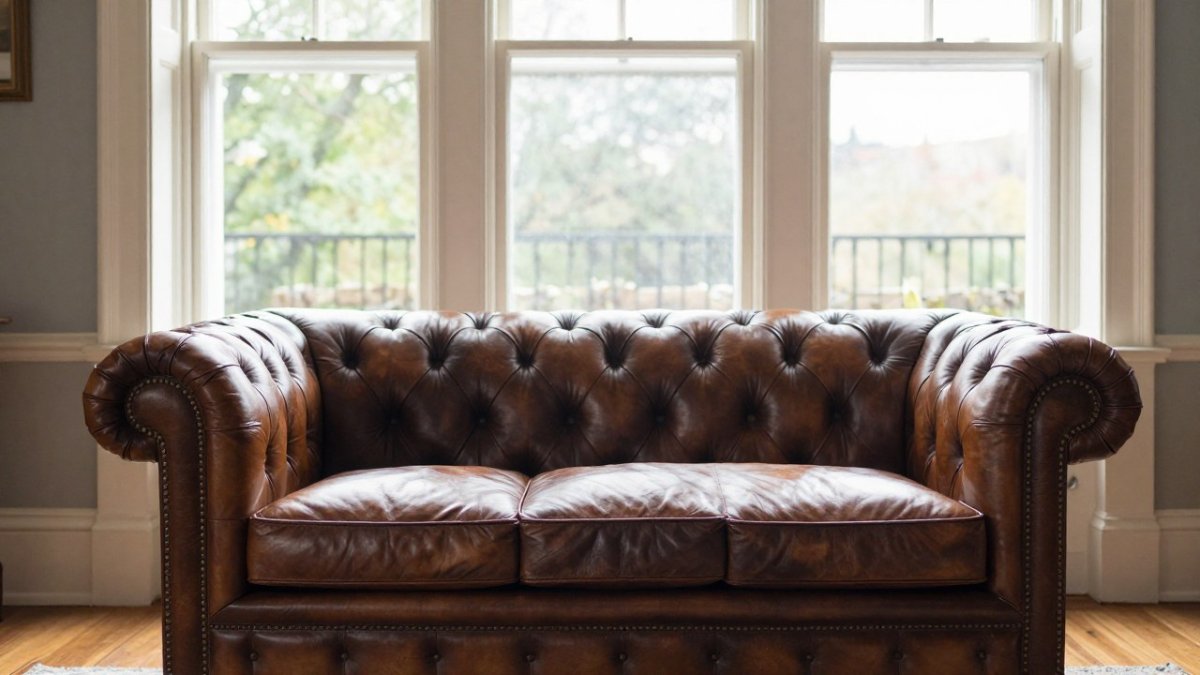
The Chesterfield is the classic choice for period interiors, and for good reason. Its rolled arms, deep seat and button tufting belong naturally in Georgian and Victorian rooms. A Chesterfield can anchor a room and give it a sense of history. But a Chesterfield is not automatically the right answer for every period room, and it is worth comparing it honestly against the alternatives before you commit.
Chesterfield versus other period-appropriate shapes
A side-by-side view helps:
- Chesterfield: strong silhouette, deep button tufting, rolled arms. Best in rooms with enough floor space and ceiling height to carry the visual weight. Tufting adds formality but can feel firmer underfoot and collects dust in the buttons.
- Knole-style sofa: drop arms and a more relaxed back. Suits rooms where you want period character without the formality of a Chesterfield.
- Howard-style sofa: exposed frame, loose cushions and a lighter profile. Works well in smaller Georgian rooms where a full Chesterfield would dominate.
- Modern classic: a clean-lined sofa with traditional proportions. Lets ornate cornices and mouldings stand out rather than competing with them.
Sizing a Chesterfield to the room
In Victorian rooms, a deeper, more generous Chesterfield often suits the scale of the space. In a smaller Georgian parlour, a more compact version keeps the room balanced. Check the back height against the window sill and picture rail so the sofa sits within the room’s horizontal lines rather than cutting across them.
The practical trade-offs
Whether a Chesterfield is worth the investment depends on how you plan to use it and how long you want it to last. Tufted seats are firmer and less forgiving for long lounging sessions than loose-cushion designs, so if the room is a everyday family sitting room rather than a formal reception room, weigh comfort against formality. Tufting also needs more careful maintenance: brush the buttons and seams regularly to stop dust settling into the folds. Our full guide on whether traditional Chesterfield sofas are worth the investment covers the cost and value question in more depth.
A well-chosen Tetrad Chesterfield-style piece can give you the period silhouette, so the look is traditional while suiting everyday use. Compare the sofas, chairs and furniture in the range, and ask our team which shapes will sit well with your period features and how you actually use the room.
Leather Sofas for Period Properties: Fabric and Finish Choices
Leather and fabric each bring something different to a period room. Leather develops a warm patina with age, which suits homes that already have character. Fabric offers more colour and pattern, which can soften a formal room.
Consider these options when you choose a finish:
- Full-grain leather: Ages well and gains character over the years
- Velvet: Adds richness and suits formal rooms
- Checks and textured weaves: Bring a softer, more relaxed feel
- Neutral tones: Easier to match with existing wood and paintwork
You can browse the full Tetrad fabric and leather collections to compare finishes side by side. Seeing samples against your own wall colour and flooring makes the decision much easier.
Matching Sofa Size to Room Layout and Small-Room Proportions
Smaller period rooms need extra care. A sofa that works in a large drawing room can overwhelm a compact sitting room. Plan the layout before you choose the size.
A simple way to test fit:
- Mark the sofa’s footprint on the floor with masking tape
- Walk around it and check the clearance to the fireplace and doors
- Sit in the position you would use and check the view to the window
- Adjust the layout before you commit
In a small room, a sofa with slimmer arms and a lighter visual profile often feels more generous. Ask our team to talk through dimensions if your room is tight.
Caring for a Tetrad Sofa So It Lasts in a Classic Home
Good care helps a Tetrad sofa keep its appearance. Keep sofas away from direct heat sources such as radiators and open fires, since heat dries leather and can fade fabric.
Our guide on how to maintain Tetrad leather sofas covers cleaning, conditioning and protection in detail. Following that routine helps keep your sofa looking its best.
Booking a Consultation to Choose Your Period-Appropriate Tetrad Sofa
Choosing furniture for a period home is a bigger decision than picking something from a catalogue. If you are ready to choose a piece, a planned consultation helps you get it right. Before you book, it helps to understand how to plan, measure and brief for bespoke furniture. Our guide on commissioning bespoke living room furniture explains the steps.
Bring your room measurements, photos of your period features and any fabric or colour ideas to help our team suggest sofas that suit your home. Contact us to arrange a consultation and talk through the options that will suit your period property.
Frequently Asked Questions
Why choose furniture designed for period homes?
Furniture designed with period proportions sits comfortably against tall ceilings, deep skirting boards and sash windows, rather than looking oversized or out of place. Many people choose furniture with traditional profiles for rooms with original features.
What type of sofa suits a period home?
A sofa with a classic silhouette, such as a rolled arm, a turned or tapered leg, or a deep button-backed Chesterfield form, tends to suit period homes best. Choose a size that leaves clear walking routes and allows the fireplace or window to remain the focal point of the room.
Are Chesterfield sofas suitable for period properties?
Yes. Traditional Chesterfield sofas were designed in the Victorian era and sit naturally in Georgian and Victorian rooms. Their deep seats, scroll arms and buttoned backs echo the detailing of period interiors. A Tetrad Chesterfield can suit a range of period rooms.
How do I care for a leather sofa in a period home?
Keep a leather sofa away from direct sunlight and radiators, which can dry and crack the hide. Dust regularly with a soft cloth and condition the leather once or twice a year with a product suited to its finish. Avoid placing it directly against an open fire or heater.

