
Blog
Best Handcrafted Sofas for Longevity: 2026 Guide
Oct
Table of Contents
- Best Handcrafted Sofas for Longevity: Quick Comparison
- How to Choose a Long-Lasting Sofa: Key Factors That Matter
- Durable Sofa Fabrics: Materials That Resist Wear and Staining
- Sofa Suspension Types: Which System Lasts Longest
- Traditional Chesterfield Sofas: Timeless Design and Proven Durability
- Handcrafted Sofas: What Sets Artisan-Made Pieces Apart
- Investing in Longevity: Lifetime Value and Ownership Costs
- Conclusion
- Frequently Asked Questions
Last Updated: October 5, 2026
Best Handcrafted Sofas for Longevity: Quick Comparison
When you’re investing in a sofa, you’re not just buying furniture, you’re choosing a piece that will anchor your living space for years, possibly decades. At Tetrad sofas, we’ve spent over 50 years refining what makes a sofa genuinely durable, and we’ve learned that longevity isn’t accidental.
The best handcrafted sofas for longevity share specific characteristics: solid timber frames, properly tensioned suspension systems, high-quality upholstery fabrics, and repairability built into the design. But not all sofas claiming “handcrafted” status are equal. Some rely on marketing language without the substance to back it up.
This guide covers what actually matters when choosing a sofa built to last.
Quick Picks
- Best Overall: Tetrad handcrafted sofas, solid timber frames, traditional suspension, expert personal guidance, white glove delivery
How to Choose a Long-Lasting Sofa: Key Factors That Matter
Choosing a sofa built for longevity requires understanding the engineering beneath the upholstery. Most people focus on how a sofa looks or feels in the showroom, but durability is determined by decisions made during construction, decisions you won’t see until something goes wrong.
The best handcrafted sofas for longevity start with the frame. Everything else depends on this foundation. A weak frame will eventually collapse no matter how beautiful the fabric or how dense the cushioning. Then come the suspension system, the filling materials, and finally the upholstery itself. Each layer either extends the sofa’s life or shortens it.
Frame Construction and Materials
A sofa frame is the skeleton that holds everything together. Solid timber frames, typically hardwoods like beech, oak, or birch, are the gold standard. These woods resist warping and support weight consistently for decades.
Look for frames made from kiln-dried timber, which removes excess moisture and prevents the wood from twisting or cracking as humidity changes in your home. The joints should be mortise and tenon (wood-to-wood connections reinforced with dowels), not stapled or glued alone. Tetrad sofas use solid hardwood frames throughout, with traditional joinery that’s been proven over generations.
Cheaper sofas often use particleboard or softwood frames. These materials compress under weight, sag over time, and fail within 5-10 years. The cost difference between a solid timber frame and a particleboard one is modest at the point of purchase but enormous over the sofa’s lifetime.
Suspension Systems and Support
The suspension system, the springs or webbing beneath the seat, determines how the sofa feels and how long it lasts. Traditional eight-way hand-tied springs are the most durable suspension available. Each spring is individually tied to the frame with twine, creating a system that distributes weight evenly and adapts to movement.
Modern alternatives like sinuous springs (continuous metal wires) work well but require proper tension. Webbing systems (fabric straps stretched across the frame) are lighter and less expensive but compress faster. The best sofas combine multiple suspension techniques for both comfort and longevity.
Cushion Fillings and Shape Retention
Cushion fillings determine how quickly a sofa will look tired. High-density foam (above 1.8kg per cubic metre) resists compression and maintains its shape for years. Lower-density foam softens quickly and develops permanent indentations where people sit.
Natural fillings like wool, cotton, and feather wrapping add comfort and durability when layered properly. Tetrad sofas use combinations of these materials, with natural fibres over supportive foam cores. This approach delivers both immediate comfort and long-term shape retention.
Avoid sofas with cheap polyester fibrefill alone. These collapse quickly and create an uncomfortable, lumpy surface within months.
Durable Sofa Fabrics: Materials That Resist Wear and Staining
The fabric you choose is as important as the frame underneath. A durable sofa with the wrong upholstery will look worn out long before the structure fails.
Natural fabrics like wool and linen are inherently durable. Wool resists staining because the fibres have a natural waxy coating, and it hides dirt well.
Performance fabrics (synthetic blends engineered for durability) have come a long way. High-quality performance fabrics now match natural materials for wear resistance while offering superior stain protection.
Avoid low-grade polyester. It pills easily, shows wear patterns quickly, and doesn’t age gracefully.
The weave matters as much as the fibre. Tightly woven fabrics resist pilling and snagging.
Sofa Suspension Types: Which System Lasts Longest
Different suspension systems suit different priorities. Understanding the trade-offs helps you choose correctly for your household.
Eight-way hand-tied springs: The traditional standard. Springs are individually tied to the frame with twine, creating independent support that adapts to movement.
Sinuous springs: Continuous metal wires form an S-shape across the frame. They’re lighter than eight-way systems, install faster, and cost less.
Webbing systems: Fabric straps (often jute or cotton) are stretched across the frame. Lightweight and economical, but the webbing compresses under weight.
Pocket coil systems: Individual springs in fabric pockets. These isolate movement (good for couples with different sleep preferences) and provide consistent support.
For a sofa you want to last decades, eight-way hand-tied suspension is the choice. Tetrad sofas use this traditional system because it simply outlasts alternatives.
Traditional Chesterfield Sofas: Timeless Design and Proven Durability
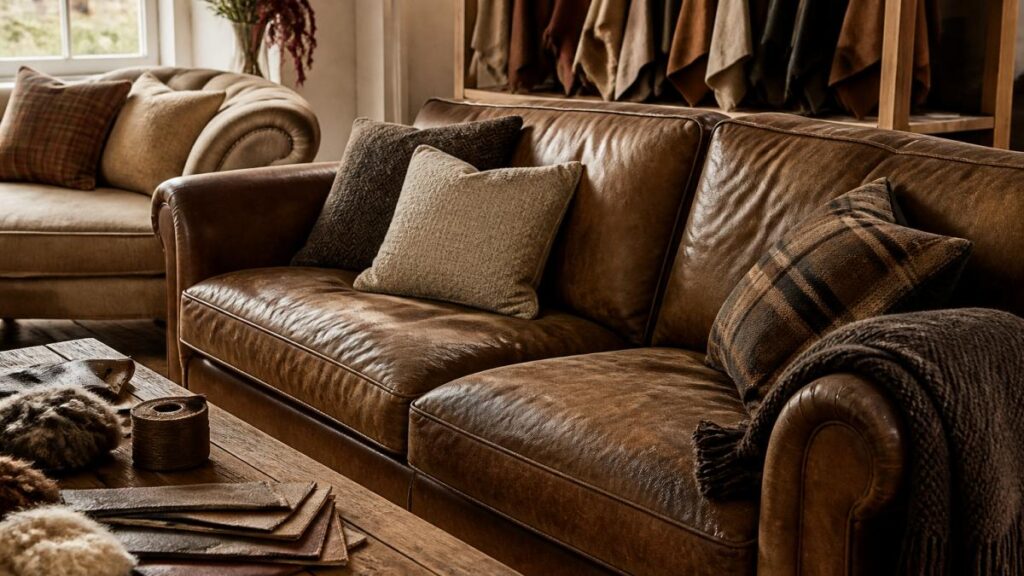
The Chesterfield sofa has survived since the 18th century for a reason: it’s built to last. The design itself, deep buttoning, rolled arms, high back, creates structural integrity.
Traditional Chesterfields use solid timber frames, deep button tufting, and dense filling. This combination creates a sofa that actually improves with age, developing a patina rather than looking worn out.
Modern Chesterfield sofas vary wildly in quality. Some are genuine reproductions built with traditional methods. Others use the aesthetic but cut corners on construction.
The Chesterfield proves that longevity and beauty aren’t opposed. A well-made Chesterfield is as comfortable as modern sofas and more durable than most. It’s a design that works because it respects materials and construction.
Handcrafted Sofas: What Sets Artisan-Made Pieces Apart
Handcrafted sofas differ from mass-produced furniture in fundamental ways. The difference isn’t just aesthetic, it’s structural.
When a sofa is handmade, each frame is individually built and inspected. Joints are cut precisely, not stamped from a template. Springs are tied by hand, creating tension that’s responsive and even.
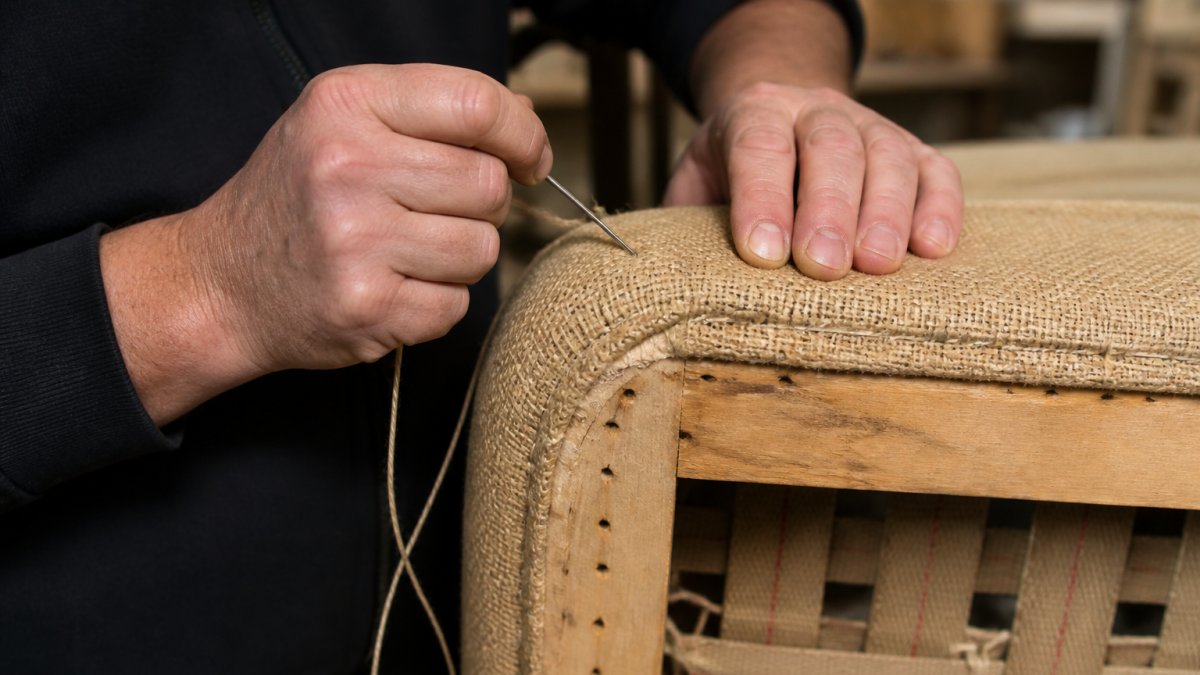
Mass production prioritises speed and cost reduction. Frames are assembled on production lines with minimal inspection. Suspension systems are simplified. Upholstery is glued rather than sewn where possible. The result is a sofa that looks fine initially but fails faster.
Handcrafted doesn’t automatically mean expensive. It means someone skilled made deliberate choices about materials and construction. Tetrad sofas are handcrafted in the traditional sense, each piece is built by craftspeople who understand that a sofa is an investment, not a disposable item.
Repairability and Reupholstering
A truly durable sofa must be repairable. If the frame cracks, the springs break, or the upholstery wears, you should be able to fix it without replacing the entire piece.
Handcrafted sofas are designed with repairability in mind. Springs can be replaced individually. Frames can be repaired by a skilled upholsterer. Upholstery can be removed and replaced, the sofa isn’t glued together permanently.
Mass-produced sofas often make repairs difficult or impossible. Glued joints can’t be disassembled. Springs are bonded to the frame. Upholstery is stapled so tightly that removal damages the underlying structure. These sofas are designed for replacement, not repair.
The cost of reupholstering a handcrafted sofa is significant but often less than buying a new one.
Warranty and Long-Term Support
Warranty terms reveal what manufacturers believe their products will endure. A one-year warranty suggests the maker expects the sofa to fail shortly after. A five-year or lifetime frame warranty indicates confidence in durability.
Tetrad sofas come with a frame guarantee that reflects decades of craftsmanship.
Beyond warranty, ongoing support matters. Can you contact the maker if something goes wrong? Will they help you source replacement parts? Can they recommend local upholsterers for repairs? Handcrafted furniture makers typically offer this support because they expect their pieces to last for generations.
Investing in Longevity: Lifetime Value and Ownership Costs
A sofa’s true cost isn’t its purchase price, it’s the total cost over its lifetime.
A budget sofa at £1,200 that lasts five years costs £240 per year. A handcrafted sofa at £3,500 that lasts 20 years costs £175 per year.
This calculation ignores the intangible benefits: the sofa you love living with, the piece that suits your home perfectly, the furniture that improves with age rather than degrading. A handcrafted sofa becomes part of your home’s character.
When evaluating sofas, ask these questions: Will I still want this in ten years? Can I repair it if something breaks? Does the maker stand behind it? Can I reupholster it if the fabric wears?
The best handcrafted sofas for longevity aren’t the cheapest options. They’re the pieces built by makers who understand that a sofa is a long-term relationship, not a transaction. Tetrad sofas represent this philosophy, handcrafted quality designed to last, with personal guidance and support throughout your ownership.
| Sofa Type | Frame Construction | Suspension | Best For | Expected Lifespan |
|---|---|---|---|---|
| Handcrafted (Tetrad) | Solid hardwood, mortise & tenon | Eight-way hand-tied springs | Long-term investment, custom options | 20+ years |
| Chesterfield Traditional | Solid timber, deep buttoned | Eight-way springs | Formal rooms, timeless style | 20+ years |
| Modern Handcrafted | Solid timber, varied joinery | Springs or webbing | Contemporary design, durability | 15-20 years |
| Mid-Range Retail | Hardwood or softwood mix | Sinuous springs | Moderate use, style-focused | 10-12 years |
| Budget Retail | Particleboard, stapled joints | Webbing or low-cost springs | Short-term use, temporary seating | 5-7 years |
When shopping for a sofa, ask the maker or retailer about frame construction, suspension type, and filling materials. If they can’t or won’t explain these details, that’s a red flag. A maker confident in their sofa will welcome these questions.
Conclusion
The best handcrafted sofas for longevity aren’t defined by price alone, they’re defined by construction integrity, material quality, and the maker’s commitment to durability.
At Tetrad sofas, we build pieces designed to become part of your home for decades. Our handcrafted sofas feature solid hardwood frames with traditional joinery, eight-way hand-tied suspension, and carefully selected upholstery fabrics.
House & Garden’s 2026 sofa selection guide highlights the importance of craftsmanship and durability in furniture investment. When you’re ready to explore handcrafted sofas built to last, we’re here to help you navigate every option and find the perfect piece for your home.
EXPLORE COLLECTION
Frequently Asked Questions
How long should a well-made handcrafted sofa last?
A well-constructed handcrafted sofa with solid timber frame and quality suspension can last 15 to 20 years or longer with proper care. Longevity depends on frame material, suspension type, fabric durability, and household use. Sofas built with traditional joinery, eight-way hand-tied springs, and premium upholstery demonstrate proven longevity. Reputable makers often back their pieces with substantial warranties reflecting expected lifespan.
What makes a handcrafted sofa last longer than mass-produced alternatives?
Handcrafted sofas prioritise durability through solid timber frames, superior joinery, and quality suspension systems. Artisan makers use hand-tied springs, natural fillings, and replaceable components designed for repair and reupholstery. Mass-produced sofas often use particleboard frames and cheaper suspension that deteriorate faster. Handcrafted pieces also receive individual attention during construction, catching defects before delivery. The ability to reupholster and repair individual components extends lifetime value significantly.
Which sofa suspension type is best for long-lasting use?
Eight-way hand-tied springs offer the best longevity for traditional sofas, providing consistent support and durability over decades. Sinuous steel springs (zigzag) are durable but less resilient than hand-tied systems. High-resilience foam combined with springs provides good support and longevity for contemporary designs. Avoid sofas with cheap webbing-only suspension, which sags quickly. The suspension system directly affects comfort retention and lifespan, making it a critical factor in choosing a long-lasting sofa.
Are hardwood sofa frames better for longevity than other materials?
Yes, solid hardwood frames, particularly beech, oak, or ash, offer superior longevity compared to softwood or particleboard. Hardwood resists warping, splitting, and structural failure over time. Frames must be kiln-dried to prevent moisture damage. Eight-way hand-tied construction with hardwood creates the most durable foundation. Check that frames are made from solid timber, not veneered particleboard, which deteriorates and cannot be repaired effectively.
What should I look for in durable sofa fabrics to ensure my handcrafted sofa lasts?
Choose fabrics with high rub counts (measured in Martindale cycles) above 15,000 for everyday use, or 20,000+ for high-traffic households. Natural fibres like wool and linen offer durability and age gracefully. Leather develops character and lasts decades with care. Synthetic blends with stain resistance and wear resistance provide practical longevity. Avoid low-quality polyester that pills and fades. Request fabric samples to assess weight, weave tightness, and feel before committing to a handcrafted piece.
