
Blog
Best Furniture for Long-Term Investment

Oct
Table of Contents
- Best Furniture for Long-Term Investment
- Why Invest in Long-Lasting Furniture
- How to Identify High-Quality Furniture
- Sofas as Primary Investment Pieces
- Dining Tables for Longevity
- Bed Frames and Mattress Quality
- Where to Splurge vs Where to Save
- Furniture Maintenance Tips for Longevity
- Frequently Asked Questions
Last Updated: October 1, 2026
Best Furniture for Long-Term Investment
The best furniture for long term investment costs more upfront but often costs less per year over 20 years than replacing cheaper pieces repeatedly. The real question is which pieces deserve your budget and how to spot construction that will last.
This guide covers the best furniture for long-term investment, focusing on construction details, materials, and categories where your money compounds over time.
Quick Picks:
- Best Overall Investment: Handcrafted British sofas with solid hardwood frames and hand-sprung suspension
- Best for Dining: Solid wood tables with traditional joinery (mortise and tenon, dovetail joints)
- Best for Sleeping: Bed frames with kiln-dried hardwood and quality mattresses rated for durability
- Best Budget Approach: Invest in seating; save on case goods until you can afford solid wood
Why Invest in Long-Lasting Furniture
Mass-produced sofas lose 40-50% of value in the first year. Heirloom-quality pieces with solid wood frames, hand-stitched upholstery, and traditional joinery hold or appreciate in value because they’re repairable and timeless.
A £1,200-2,400 sofa lasting 20 years costs £5-10 monthly. The same sofa from a high-street retailer, replaced every 7-8 years, costs £15-20 monthly because you buy three times over.
Quality furniture adapts to your life: frames can be reupholstered, solid wood tables refinished, and proper joints repaired. Mass-produced pieces cannot, once particleboard swells or stapled frames weaken, replacement is the only option.
This is where best furniture for long-term investment differs fundamentally from trend-driven buying. You’re not chasing aesthetics; you’re building a collection that works harder and costs less over time.
How to Identify High-Quality Furniture
Spotting investment-grade furniture requires understanding frame construction; the hidden parts determine whether a piece lasts five years or fifty.
Frame Construction and Joinery
The frame is everything. Look for solid hardwood (beech, oak, ash). Avoid particleboard, MDF, or veneered plywood, which swell in humidity and cannot be repaired.
Dovetail joints (interlocking wedge-shaped cuts) in drawers indicate craftsmanship. Mortise and tenon joints, where a projecting piece fits into a hollow, are the gold standard for structural integrity and strengthen as wood settles.
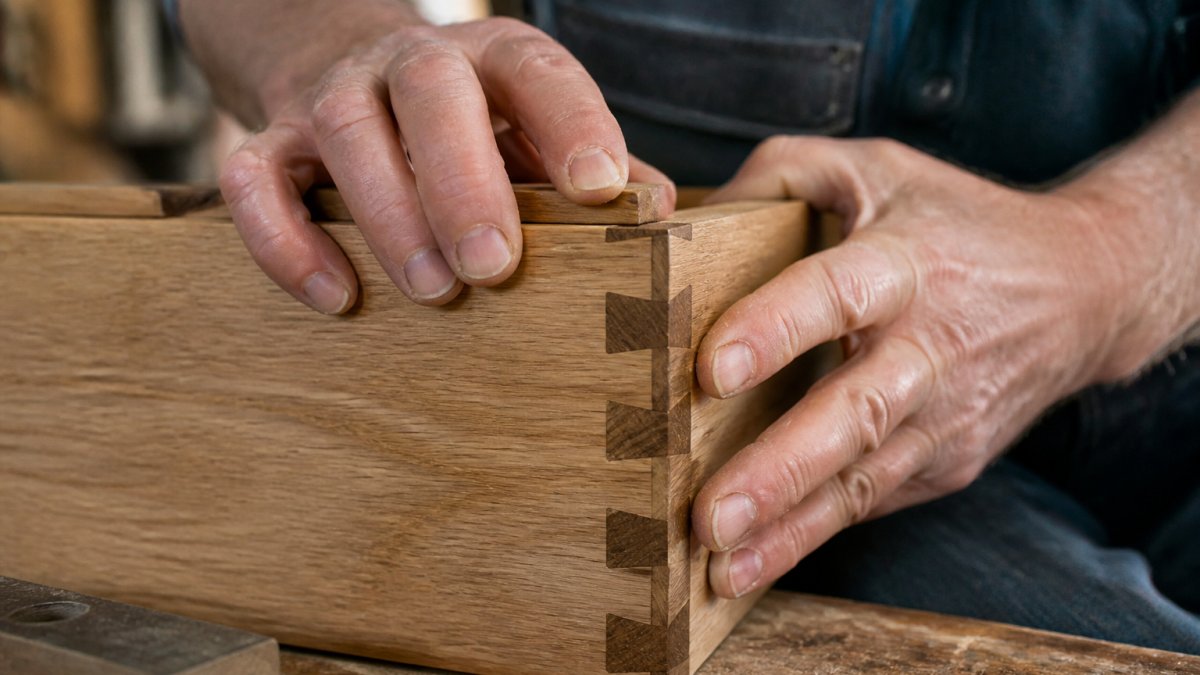
Corner blocks, wooden reinforcements at frame joints, prevent racking. Substantial wooden blocks at every corner indicate the maker expected the piece to outlast trends.
Hand-sprung suspension uses individual springs hand-tied with twine, creating a support system that adjusts to your body and rarely sags. Machine-made sinuous springs are cheaper but hand-sprung systems last longer.
Material Composition
Solid wood is non-negotiable for case goods. Kiln-dried hardwood resists warping. Veneer is acceptable only on solid hardwood bases; veneered particleboard is disposable.
Upholstery durability depends on two factors: the fabric or leather itself, and the fill beneath it.
Look for a rub count of at least 15,000. Natural fibres like wool and linen outperform synthetics because they don’t pill as easily. High-quality blends (80% wool, 20% nylon) offer durability with softness.
Full-aniline and semi-aniline leathers develop a patina that signals character. Pigmented leather resists staining but doesn’t age as interestingly. For best furniture for long-term investment, full-aniline leather on a quality frame becomes more beautiful over time.
High-density foam (1.8 kg/m³+) resists compression. Down blends feel luxurious but require fluffing. A hybrid of high-density foam wrapped in down offers comfort and longevity. Avoid cheap polyurethane foam, which collapses in 5-7 years.
Sofas as Primary Investment Pieces
A sofa is the anchor of most living rooms and the furniture item used most intensively. It’s worth getting right.
Investment-grade seating features solid hardwood frames, hand-sprung suspension, and upholstery options from natural wool to premium leather. Handcrafted pieces let you select the exact aesthetic and durability profile you need.
Test the frame by pushing down firmly; it should feel solid with minimal flex. Sit deeply and notice if cushions return to shape immediately. Good cushioning rebounds quickly because the fill is dense enough to support weight without deforming.
Check for hardwood legs (not plastic or metal) that are securely attached. Wobbling is a red flag. Turned or carved details suggest solid wood construction.
Hand-stitched seams are stronger and more repairable than machine-stitched ones. Even stitching with tight spacing indicates care in construction.
Expect to invest £2,000-4,000+ for a quality sofa that will last 20+ years. Cheaper options (£800-1,500) rarely survive intensive daily use without sagging or frame damage.
Dining Tables for Longevity
A dining table must withstand years of meals, spills, and temperature fluctuations. Solid wood is the only sensible choice when selecting the best furniture for long term investment in this category.
Hardwoods like oak, walnut, and cherry are ideal, dense enough to resist denting and repairable by sanding and refinishing. Softwoods like pine dent easily and show wear quickly.
Look for breadboard ends, where the table’s grain runs one direction and the ends perpendicular. This allows wood to expand and contract with humidity without cracking.
Mortise and tenon joints at the apron prevent racking over decades. Avoid dowel joints or pocket-hole screws, which fail under daily stress.
Leaves and extension mechanisms should operate smoothly and fit snugly when closed. Poor engineering here creates gaps and misalignment that worsen over years.
A solid wood table costs £1,500-3,500, but it can be refinished multiple times, reupholstered if it has chairs, and passed down. A veneered table, once the veneer chips or peels, is essentially unrepairable.
Bed Frames and Mattress Quality
Sleep furniture is intensively used, 8 hours nightly means roughly 3,000 hours of pressure annually. Quality directly affects sleep and longevity.
Bed frames need hardwood slats (not particle board) and metal frames with proper cross-bracing. Avoid thin metal tubes or hollow construction, which flex and creak within years.
A quality mattress (£800-2,000) uses high-density foam or natural latex. Cheap mattresses (£200-400) use low-density foam that compresses in 5-7 years, creating sagging and poor support.
A 10-year warranty indicates maker confidence in durability.
Where to Splurge vs Where to Save
Not every piece deserves maximum investment. Strategic spending multiplies your budget’s impact by considering resale value, secondary market demand, and which pieces retain financial value.
Splurge on:
Save on:
The Resale Value Framework
When evaluating where to splurge, consider this hierarchy:
-
High splurge, high resale value: Sofas, dining tables, and bed frames from established makers with timeless designs. These pieces are used intensively, visible, and have secondary market demand. A £3,000 sofa that resells at 50% (£1,500) has a true net cost of £1,500 over 20 years, or £75/year.
-
High splurge, moderate resale value: Quality occasional seating, dressers, and cabinets. These pieces have lower secondary market demand but still hold 30-40% of value if well-maintained and from a recognised maker.
-
Moderate splurge, low resale value: Kitchen cabinetry, built-in shelving, and bed mattresses. These pieces are worth quality investment for durability and function, but expect minimal resale value. Budget for them as consumables with long lifespans, not as financial assets.
-
Low splurge, minimal resale value: Trend-driven accent pieces, fast-furniture items, and anything with a short design lifespan. These pieces depreciate rapidly and have almost no secondary market value. Save here and rotate as trends change.
Identifying Timeless Design
Timeless designs typically share these characteristics:
- Minimal ornamentation: Simple lines, clean proportions, no excessive carving or applied decoration. Shaker furniture, Scandinavian design, and mid-century modern are timeless because they prioritise form over trend.
- Neutral colour and fabric: Natural wood tones, grey, cream, and navy upholstery age well. Bright colours and bold patterns date quickly.
- Proportional to human scale: Furniture that looks comfortable and fits standard room sizes resells better than oversized or undersized pieces.
- Maker heritage: Pieces from makers with 20+ years of consistent design language hold value better than pieces from brands that reinvent themselves every season.
The Cost-Per-Use Calculation with Resale
Furniture Maintenance Tips for Longevity
Routine Care:
Repairability: The Hidden Investment Multiplier
Can the upholstery be replaced? Quality sofas are designed for reupholstery. Reupholstering costs £1,500-2,500 and extends life 15-20 years, but only if the frame is solid hardwood with proper joinery. Particleboard frames will fail before the new upholstery wears out.
Finding Professional Restoration Services
Chemical Safety and Material Longevity
The Restoration Timeline
Frequently Asked Questions
What makes furniture a good long-term investment?
Furniture becomes a long-term investment when it combines solid construction, timeless design, and quality materials that resist wear. Look for kiln-dried hardwood frames, hand-sprung suspension systems, and traditional joinery like mortise-and-tenon joints. Pieces from established makers with proven heritage hold their value better than mass-produced alternatives. Cost-per-use improves dramatically over 10-20 years, making premium pieces economical in the long run.
How can you tell if a sofa is built to last?
Examine the frame construction first: solid hardwood (not plywood) indicates durability. Check the suspension system, hand-sprung or eight-way hand-tied springs outlast sinuous wire systems. Feel the upholstery: high rub-count fabrics and full-aniline leather resist pilling and fading. Ask about the joinery method; corner blocks and mortise-and-tenon joints prevent frame collapse. Reputable makers offer warranties on mechanical components, and their pieces retain resale value because buyers recognise the quality.
Which materials are best for durable, high-quality furniture?
Solid hardwoods like cherry, walnut, and oak outperform veneers and particleboard for structural longevity. For upholstery, natural fibres like wool and linen age well, whilst high-performance synthetics resist staining. Full-aniline leather develops character over time and lasts decades with proper care. Avoid low-density foam and single-layer fabrics. Sustainable sourcing matters too; responsibly harvested timber resists warping and pest damage better than poorly dried material.
Does handcrafted British furniture hold its value better than mass-produced items?
Yes. Handcrafted pieces from established British makers command higher resale prices because they demonstrate superior craftsmanship, use premium materials, and carry heritage value. Mass-produced furniture depreciates quickly as trends shift and construction quality becomes apparent. Bespoke and made-to-order pieces often appreciate in secondary markets because they’re one-of-a-kind and built to individual specifications. Collectors and designers actively seek handmade British furniture, creating stable demand.
What is the difference between timeless design and passing trends in furniture?
Timeless designs feature clean lines, neutral proportions, and classic silhouettes that remain relevant across decades, think mid-century modern or traditional joinery styles. Trend-driven pieces rely on bold colours, novelty shapes, or seasonal aesthetics that date quickly. When selecting long-term investment pieces, choose designs that complement multiple interior styles and won’t feel dated in five years. Bespoke customisation allows you to select timeless frames with contemporary fabric choices, balancing durability with personal style.
Ready to invest in furniture that lasts? Explore our Tetrad collection and speak with our team about the right pieces for your home. [EXPLORE COLLECTION]
