
Blog
Leather vs Fabric Sofas: Which Is Right for You?

Sep
Table of Contents
- Leather vs Fabric Sofas: The Core Differences
- Durability and Wear: How Each Material Ages
- Best Sofa Fabric for Durability and Longevity
- How to Clean Leather Sofas and Maintain Fabric
- Comfort, Breathability and Temperature Regulation
- Pets, Allergies and Household Practicality
- Cost, Investment and Long-Term Value
- Making Your Choice: Which Material Suits Your Home?
- Frequently Asked Questions
Last Updated: September 23, 2026
Leather vs Fabric Sofas: The Core Differences
The choice between leather vs fabric sofas fundamentally shapes how your furniture will look, feel, and perform for years to come. Each material has distinct characteristics that make it right for different homes, lifestyles, and priorities.
Leather develops character over time, becoming softer and more supple with age. Fabric offers breathability, warmth, and a wider range of colours and textures. Neither is objectively “better”, the right choice depends on your household, lifestyle, and priorities.
Durability and Wear: How Each Material Ages
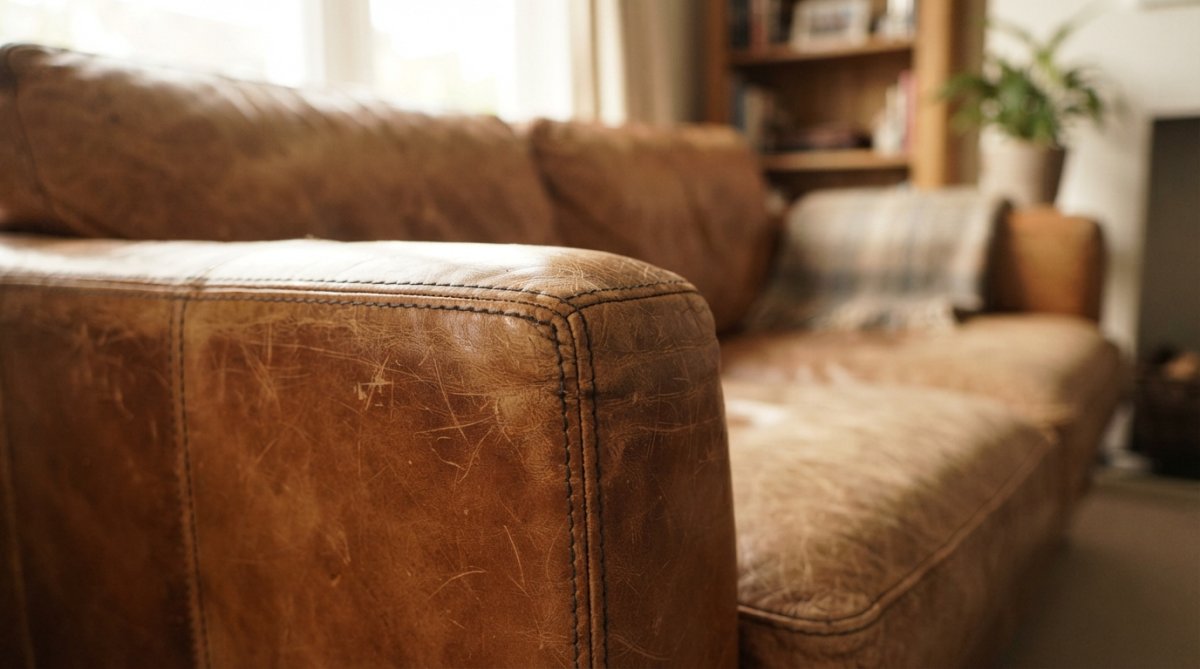
Leather sofas last decades when cared for properly. Top-grain leather develops a natural patina, a soft sheen and subtle colour variation, that many find beautiful. Leather resists wear and tear remarkably well, and small scratches often fade naturally or can be professionally repaired.
Fabric sofas, particularly performance fabrics, offer excellent durability when constructed properly. High-quality fabrics resist pilling, fading, and general wear. Fabric doesn’t develop patina like leather; instead, it may show slight colour changes or compression in high-traffic areas, normal aging, not failure.
Durability depends on frame construction. Both leather and fabric sofas require hardwood frames and quality joinery; a poorly built frame fails regardless of upholstery material.
Leather develops character through patina; fabric shows wear through colour variation and compression. Both can last decades with proper care and quality frame construction.
Best Sofa Fabric for Durability and Longevity
Performance fabrics offer the best balance of durability and practicality. These synthetic fibres resist stains, fading, and wear far better than traditional woven fabrics, maintaining colour under sunlight and bouncing back from spills.
Natural fabrics like linen and cotton are beautiful but require more care, they fade in direct sunlight and absorb spills. Reserve them for homes with controlled light and minimal accident risk.
For households with pets or young children, performance fabrics outperform leather, they’re more forgiving of scratches and spills, and easier to clean. Leather can be damaged by pet claws and requires specific cleaning protocols.
Fabric longevity depends on weave density and fibre quality. Tightly woven fabrics resist pilling and hold their shape better. When choosing fabric, examine thread count and upholstery grade, higher grades indicate better durability.
How to Clean Leather Sofas and Maintain Fabric
Leather maintenance requires consistency and the right approach for different stain types. Regular dusting removes surface dirt. For spills, blot immediately with a clean cloth, never rub, as this drives liquid deeper into the leather’s pores.
Water-based spills (tea, coffee, juice): Blot immediately, then wipe with a barely damp cloth. Leather’s natural oils repel water, so these spills rarely penetrate if caught quickly. Allow to air-dry naturally; heat accelerates cracking.
Oil-based spills (butter, cooking oil): Blot with a dry cloth first. Sprinkle talcum powder or cornflour on the spot to absorb residual oil, leave for 15 minutes, then brush away gently. For stubborn marks, use a leather-specific cleaner applied to a soft cloth, never directly to the sofa.
Ink or dye stains: These require professional intervention. Attempting DIY removal risks permanent discolouration. Contact a leather restoration specialist within 48 hours for best results.
For deeper cleaning, use a leather-specific cleaner formulated for your leather type. Test any product on a hidden area first. Condition annually to prevent drying, cracking, or brittleness, this habit extends lifespan by years.
Direct sunlight is leather’s primary enemy. Position your sofa away from south-facing windows, or use thermal-lined curtains. If repositioning isn’t possible, apply UV-protective leather treatment annually, far cheaper than professional restoration later.
Fabric maintenance varies by material type. Performance fabrics are engineered for household use and respond well to standard cleaning:
Weekly maintenance: Vacuum with an upholstery attachment to remove dust, crumbs, and pet hair, preventing dirt embedding and allergen accumulation.
Spot cleaning for performance fabrics: Blot spills immediately. For dried stains, use one part white vinegar to three parts water on a cloth (never spray directly). For greasy stains, sprinkle baking soda for 15 minutes, then vacuum. Always check the manufacturer’s care code first.
Natural fabrics (linen, cotton, wool) require more caution:
Linen and cotton: Blot immediately and avoid water-based solutions, which cause watermarks or shrinkage. Professional dry-cleaning is recommended for significant stains. Expect fading in direct sunlight. Regular maintenance helps preserve the integrity of these delicate fibres, though persistent deep-set grime often necessitates professional upholstery cleaning to restore the original texture and appearance.
Wool: Naturally stain-resistant but damaged by harsh chemicals. Use specialist wool cleaner or contact a professional.
Fabric care codes explained: Manufacturers label fabrics with codes that indicate safe cleaning methods. “W” means water-based cleaners are safe; “S” means solvent-based cleaners only; “WS” means either; “X” means vacuum only. Ignoring these codes voids warranties and risks permanent damage.
Never use harsh chemicals, bleach, or abrasive cloths on either material. Leather can be stripped of its natural oils, and fabric can be discoloured or weakened. Always test cleaning products on a hidden area first, and allow 24 hours to observe any colour change or texture damage before treating visible areas.
Address spills quickly on both materials. Leather’s natural oils repel liquid if caught within minutes; fabric absorbs liquid, so blot within seconds. Professional cleaning is worth the investment for stubborn stains; aggressive DIY removal often causes more damage.
Comfort, Breathability and Temperature Regulation
Leather is naturally cooler to the touch, pleasant in warm climates but initially cold in winter. It warms as you sit, though some find this transition uncomfortable.
Fabric sofas offer superior breathability and comfort across a wider temperature range. In warm climates, fabric feels more comfortable for extended sitting; in cooler climates, it provides a warmer feel.
Texture influences comfort perception. Leather has a smooth, slightly firm surface; fabric offers varied textures depending on weave and fibre type. Test both in person before deciding.
Pets, Allergies and Household Practicality
Leather resists scratching but pet claws can puncture or scar the surface; repairs are costly. Fabric is more vulnerable to snagging and pilling from claws, though these issues are less permanent than leather scratches.
For pet owners, fabric has a cleaning advantage, hair doesn’t embed like on leather, and accidents are easier to manage. Performance fabrics resist staining better than leather.
Some people react to leather treatments or dyes. Fabric accumulates dust and allergens more readily than leather’s smooth surface. Performance fabrics with hypoallergenic finishes offer a middle ground, easier to clean than traditional fabrics and requiring no conditioning.
Households with young children find fabric more forgiving, spills and stains are easier to manage, and professional cleaning costs less than leather restoration.
Cost, Investment and Long-Term Value
Leather can be a significant upfront investment. However, a leather sofa lasting decades can offer excellent long-term value.
Fabric sofas generally offer a lower entry-level cost compared to quality leather.
Leather requires occasional professional conditioning and repair.
Leather’s environmental profile: Leather is a meat industry byproduct, so production doesn’t require dedicated animal farming. However, tanning is chemically intensive; vegetable tanning is more sustainable but more expensive. Leather’s 25-30 year lifespan means lower per-year environmental cost than shorter-lived alternatives. Look for Leather Working Group certification, which rates tanneries on environmental performance.
| Consideration | Leather | Performance Fabric | Natural Fabric |
|---|---|---|---|
| Initial cost | Higher (£3,000-£8,000+) | Moderate (£1,500-£4,000) | Moderate to high (£2,000-£6,000) |
| Lifespan | 25-30 years | 12-18 years | 15-20 years |
| Annual maintenance cost | £100-£300 | £20-£50 | £50-£150 |
| Repair costs | Expensive (£200-£500+) | Moderate (£100-£300) | Moderate (£100-£250) |
| Pet-friendly | Moderate (scratch risk) | Better (easier cleaning) | Moderate (pilling risk) |
| Comfort in heat | Cool initially | Breathable throughout | Breathable throughout |
| Aesthetic aging | Develops patina | Shows compression/fading | Fades, may pill |
| Environmental impact (per year) | Low if kept 25+ years | Moderate (higher if replaced frequently) | Low if organic; moderate if conventional |
| Sustainability certifications | Leather Working Group | Global Recycled Standard (for recycled content) | GOTS (organic cotton), FSC (linen) |
Making Your Choice: Which Material Suits Your Home?
Choose leather if you prioritise timeless aesthetics, live in a climate where coolness matters, have no pets, and can commit to occasional professional care. Leather is an investment piece, it rewards careful stewardship and improves with age.
Frequently Asked Questions
Which is better for households with pets, leather or fabric sofas?
Leather sofas offer distinct advantages for pet owners. They resist scratches better than most fabrics, and spills are easier to wipe away without staining. However, sharp claws can still puncture leather over time. High-performance synthetic fabrics designed with pet-friendly technology provide excellent stain resistance and durability against wear and tear. The choice depends on your pet’s behaviour and your willingness to maintain the material. Leather requires occasional conditioning; performance fabrics need regular vacuuming but resist odours better.
How does fabric upholstery compare to leather in terms of durability?
Durability depends heavily on fabric grade and construction. Premium woven textiles with high thread counts and synthetic performance fibres can match leather’s longevity, especially in households without pets or young children. Leather typically develops a natural patina and improves with age, while quality fabrics resist fading and pilling when properly maintained. Leather is more susceptible to cracking and UV damage if exposed to direct sunlight; fabrics fade instead. For long-term investment, both can offer excellent longevity with proper care, though leather generally requires less frequent deep cleaning.
What are the main downsides of choosing a leather sofa?
Leather sofas demand consistent maintenance to prevent cracking and colour fading. Direct sunlight exposure causes significant damage over time, requiring careful room placement. They are also often a greater upfront investment than most fabric alternatives, and repairs by professional upholstery services can be costly. In warm climates or poorly ventilated rooms, leather can feel sticky and uncomfortable. Leather is also not hypoallergenic for people sensitive to animal-derived materials. Finally, genuine leather is less forgiving of accidental damage like scratches from pets or sharp objects.
Are leather sofas still in style in 2026?
Leather sofas remain a timeless choice in interior design, particularly in classic, contemporary, and mid-century modern schemes. The trend has shifted towards quality over trend-chasing, meaning genuine leather pieces are valued for their longevity and aesthetic depth. Natural patina and the way leather develops character over time appeal to homeowners seeking investment pieces rather than disposable furniture. However, sustainable and performance fabrics are gaining ground alongside leather as consumers balance style with environmental and practical concerns. The choice between leather and fabric is now driven by lifestyle fit rather than fashion.
