
Blog
Luxury sofa alternatives to leather: a 2026 guide

Oct
Table of Contents
- Why luxury homeowners are choosing alternatives to leather for sofas
- Vegan leather sofa alternatives: performance and aesthetics
- The best fabric for a luxury sofa: natural and advanced textiles
- Velvet sofa pros and cons for luxury living spaces
- Wool upholstery for sofas: resilience and luxury combined
- Durability, maintenance, and long-term value
- Choosing the right alternative to leather for your home
- Frequently Asked Questions
Last Updated: October 18, 2026
Why luxury homeowners are choosing alternatives to leather for sofas
Leather has long been the gold standard for luxury sofas. But affluent homeowners are increasingly choosing alternatives to leather sofas for reasons that go beyond aesthetics. The shift reflects changing priorities: sustainability concerns, performance demands, and the desire for textures and finishes that leather simply cannot deliver.
At Tetrad sofas, we’ve watched this transformation unfold across our bespoke collections. Customers now ask us about vegan leather options, high-performance fabrics, and natural textiles with the same confidence they once reserved for leather alone. Many discover that alternatives offer distinct advantages in durability, maintenance, and long-term value, especially in households with specific lifestyle needs.
The luxury sofa market has expanded dramatically. Designers and homeowners no longer view alternatives to leather sofas as compromises. Instead, they see them as strategic choices that align with how people actually live today.
The luxury sofa landscape has shifted. Alternatives to leather now offer compelling options in performance, durability, and aesthetics. Knowing the real differences between materials helps you invest wisely.
Vegan leather sofa alternatives: performance and aesthetics
Vegan leather has evolved dramatically. What started as a plastic-like substitute has become a sophisticated category of materials engineered to rival, and in some cases exceed, traditional leather in performance and feel.
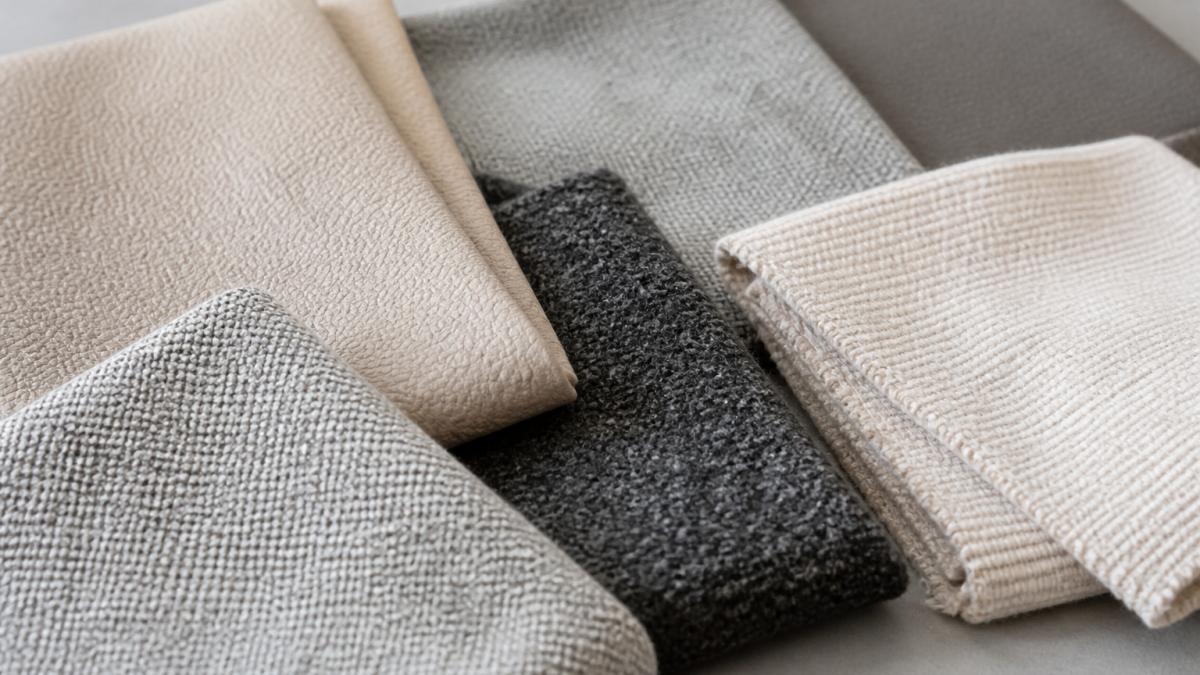
The term “vegan leather” covers several distinct technologies. Synthetic polyurethane remains a common option, offering good durability and stain resistance. Newer plant-based alternatives like mushroom leather and cactus leather bring innovation to the market, though their long-term performance data remains limited compared to established materials.
For luxury sofas, the key question isn’t whether vegan leather works, it’s which type matches your lifestyle. A family with young children may prioritize stain resistance above all else. A design-conscious household might prioritize aesthetic qualities and how the material ages.
Plant-based leather options: mushroom, cactus, and cork
Plant-based leathers represent the frontier of sustainable luxury. Mushroom leather, grown from mycelium, offers an organic aesthetic that appeals to environmentally conscious buyers. Cactus leather provides a similar appeal with a softer hand-feel. Cork leather brings texture and warmth that synthetic alternatives struggle to match.
These materials share common strengths: they’re genuinely sustainable, they age beautifully, and they feel distinctly different from both traditional leather and synthetic alternatives. They also share limitations. Production capacity remains constrained, which affects availability and cost.
For a luxury sofa, plant-based leather works best as a considered aesthetic choice rather than a performance investment. If sustainability and distinctive appearance matter more than proven longevity, these materials deliver. If you need absolute confidence in ten-year durability, the research simply isn’t complete yet.
Synthetic and polyurethane vegan leather
Polyurethane vegan leather dominates the luxury sofa market for a reason: it performs. Modern polyurethane is engineered to resist scratches, stains, and fading effectively. It cleans easily, resists cracking, and maintains its appearance through years of use.
The aesthetic trade-off is real. High-quality polyurethane can mimic leather convincingly, but discerning eyes notice the difference. The surface feels slightly different, smoother, more uniform, less organic. For some buyers, this is a dealbreaker.
Polyurethane vegan leather excels in households with pets, children, or demanding lifestyles. It resists the kind of damage that would mark traditional leather. Spills wipe away. Scratches don’t compound. The material holds its appearance well.
The best fabric for a luxury sofa: natural and advanced textiles
Natural and high-performance fabrics represent a fundamentally different approach to luxury seating. Where leather emphasizes durability and patina, these materials prioritize comfort, variety, and lifestyle fit. A luxury sofa in linen feels different, cleans differently, and ages differently than one in leather, and for many households, those differences are precisely the point.
The best fabric for a luxury sofa depends entirely on your priorities. Comfort-first buyers gravitate toward natural textiles. Performance-focused households choose advanced fabrics engineered for durability. The strongest choice matches your actual use pattern, not an abstract ideal.
Linen and cotton: timeless natural choices
Linen and cotton deliver the aesthetic and tactile qualities that draw people to natural materials. Linen offers a slightly textured, lived-in appearance that improves with age. Cotton provides softness and breathability that synthetic materials cannot match. Both materials feel distinctly luxurious, warm to the touch, responsive to body heat, genuinely comfortable for extended sitting.
The trade-off is straightforward: natural fabrics require more maintenance than leather or performance synthetics. Spills can stain if not treated immediately. Sunlight fades colours more noticeably. The fabric may pill slightly with wear, especially in high-contact areas. These aren’t defects, they’re characteristics of natural materials.
For luxury sofas in lower-traffic spaces or homes without young children or pets, linen and cotton shine. They age beautifully, developing character over time. They feel expensive because they are, quality linen and cotton represent genuine material investment.
Natural fabrics benefit enormously from professional cleaning once or twice yearly. This investment extends lifespan dramatically and prevents gradual soiling that becomes permanent if ignored.
Performance fabrics: durability meets refinement
High-performance fabrics represent a category specifically engineered for demanding households. These materials use advanced weave structures and treatments to resist stains, fading, and wear while maintaining a refined appearance.
Performance fabrics offer strong advantages where natural textiles may struggle. They repel spills, resist fading from sunlight, and withstand heavy use without visible degradation. Many offer comparable stain resistance and durability to leather, with the added benefit of softer hand-feel and greater aesthetic variety.
The best performance fabrics retain the comfort and appearance of natural materials while delivering practical resilience. They’re neither cheap nor plasticky, genuine luxury performance fabrics often cost more than basic synthetics. For families, pet owners, and anyone with an active household, they represent a strong long-term investment.
Velvet sofa pros and cons for luxury living spaces
Velvet occupies a unique position in luxury furniture. Its aesthetic appeal is undeniable, the depth of colour, the tactile richness, the way light interacts with the pile create an unmistakably luxurious impression. But velvet demands understanding before commitment.
- Unmatched visual luxury and depth of colour
- Exceptionally comfortable and tactile
- Works beautifully in formal or contemporary spaces
- Sophisticated aesthetic that photographs exceptionally well
Velvet sofa cons:
- Shows footprints and body impressions easily
- Requires regular brushing to maintain appearance
- Vulnerable to pilling and crushing in high-use areas
- Stains can be difficult to remove completely
- Not ideal for households with pets or young children
Velvet works best as a deliberate luxury choice in lower-traffic spaces, a formal living room, a reading nook, a guest seating area. In everyday family spaces, velvet’s maintenance demands often outweigh its aesthetic benefits. At Tetrad sofas, we recommend velvet for clients who prioritise appearance and have realistic expectations about care requirements.
Wool upholstery for sofas: resilience and luxury combined
Wool represents a middle ground between natural comfort and practical resilience. It’s a natural fibre with properties that make it surprisingly practical for luxury sofas.
Wool naturally resists staining effectively because its structure repels liquids. It’s naturally flame-resistant, which adds safety without chemical treatments. It ages beautifully, developing character without visible deterioration. Many luxury sofas use wool blends specifically to balance these practical benefits with the comfort of natural materials.
Wool upholstery for sofas works well in households seeking longevity without sacrificing comfort. It often costs more than cotton but typically less than high-end performance fabrics. The aesthetic is refined and timeless, wool offers a classic look.
The primary limitation is that wool requires professional cleaning more frequently than performance synthetics. Spills need prompt attention. Heavy soiling requires specialist treatment. For buyers committed to proper maintenance, wool delivers genuine luxury with practical durability.
Durability, maintenance, and long-term value
The true measure of a luxury sofa isn’t its appearance when new, it’s how it performs over five, ten, or twenty years. Durability and maintenance requirements directly impact long-term value and satisfaction.
Scratch resistance and wear patterns
Different materials age distinctly. Leather develops a patina that many find beautiful, though scratches and scuffs become permanent marks. Vegan leather resists scratching far more effectively but shows wear differently, the surface can become slightly glossy in high-contact areas. Natural fabrics pill slightly and fade gradually. Performance fabrics resist these forms of wear effectively.
For luxury sofas, understanding wear patterns matters more than absolute durability. A material that shows character as it ages suits some households perfectly. A material that resists visible wear suits others. Neither is objectively superior, they’re different choices with different implications.
| Material | Scratch Resistance | Stain Resistance | Fading Resistance | Maintenance Frequency |
|---|---|---|---|---|
| Genuine Leather | Moderate | Moderate | Good | Monthly |
| Vegan Leather | High | High | Excellent | Monthly |
| Linen/Cotton | Low | Low | Moderate | Quarterly |
| Performance Fabric | High | Excellent | Excellent | Monthly |
| Wool | Moderate | High | Good | Quarterly |
| Velvet | Low | Low | Moderate | Weekly |
Cleaning and care requirements
Each material demands different care. Leather needs conditioning to prevent drying and cracking. Vegan leather requires gentle cleaning to avoid damaging the surface. Natural fabrics benefit from professional cleaning but can be spot-cleaned at home. Performance fabrics resist most stains but still need prompt attention to spills.
The practical reality: genuine luxury sofas require investment in proper care regardless of material. Neglected leather cracks. Neglected natural fabrics accumulate permanent soiling. Neglected performance fabrics eventually show wear. The difference is timeline, performance fabrics may tolerate neglect longer than delicate natural materials.
For long-term value, factor maintenance into your decision. A beautiful linen sofa that receives quarterly professional cleaning will outlast and outperform the same sofa left to accumulate dust and spills. Conversely, a performance fabric sofa tolerates occasional neglect without permanent damage.
Choosing the right alternative to leather for your home
The decision between alternatives to leather for luxury sofas depends on five factors: lifestyle, aesthetic preference, maintenance commitment, budget, and household composition.
Start with honest assessment of your household. Do you have young children or pets? Performance fabrics are the practical choice. Do you entertain frequently in formal spaces? Velvet or wool may be worth the maintenance burden.
Next, consider maintenance honestly. Natural fabrics demand consistent care. Velvet requires weekly brushing. Performance fabrics tolerate neglect. Choose materials you’ll actually maintain, not materials you aspire to maintain.
Finally, evaluate aesthetic fit. What feeling do you want your sofa to create? Leather conveys formality and timelessness. Natural fabrics suggest comfort and authenticity. Performance fabrics offer refinement without fussiness. Vegan leather provides sustainability without aesthetic compromise.
At Tetrad sofas, we help clients navigate these decisions through our expert guidance and bespoke options. Our handcrafted British furniture allows customization across fabrics, dimensions, and finishes, so your sofa aligns precisely with your home, your lifestyle, and your values.
Choosing the right material for a luxury sofa is a long-term investment decision that extends far beyond initial purchase.
Frequently Asked Questions
What are the best alternatives to leather for luxury sofas?
Premium alternatives include vegan leather (mushroom, cactus, or synthetic), natural fabrics (linen, cotton, wool), velvet, and high-performance fabrics. The best choice depends on your lifestyle, aesthetic preferences, and durability needs. Plant-based leather offers leather-like appearance with lower environmental impact. Natural fabrics provide breathability and comfort. Performance fabrics combine luxury feel with stain resistance and durability. Each has distinct maintenance requirements and long-term value characteristics.
How does vegan leather compare to genuine leather on a luxury sofa?
Vegan leather alternatives to leather sofas offer similar aesthetics and feel but vary in durability and longevity. Plant-based options like mushroom and cactus leather provide sustainable appeal but have limited long-term performance data. Synthetic vegan leather resists cracking and peeling better than some genuine leathers but may not age as gracefully. Genuine leather develops patina and character over decades. Vegan options may have different cost and longevity profiles.
Is velvet a practical choice for everyday use on a luxury sofa?
Velvet offers luxurious texture and appearance but requires careful consideration for high-traffic homes. It shows footprints and dust easily, demanding regular brushing. Velvet can crush with heavy use, affecting appearance over time. However, high-quality velvet upholstery for sofas using dense weaves and performance treatments can withstand moderate everyday use. Velvet suits homes with lighter usage patterns or those prioritising aesthetics over durability. Families with children or pets should consider performance fabrics or wool instead.
What is the most durable upholstery material for a long-lasting luxury sofa?
Wool and performance fabrics offer exceptional durability for luxury sofas. Wool naturally resists staining, pilling, and wear whilst maintaining softness. Performance fabrics engineered with advanced textile technology provide scratch resistance and stain protection without sacrificing luxury feel. High-quality linen and cotton blends also age well but require more maintenance. Genuine leather develops character with age but can crack. Your choice depends on household activity level: wool and performance fabrics suit active homes, whilst velvet and delicate fabrics suit lower-traffic spaces.
