
Blog
How to Identify Authentic British Made Furniture
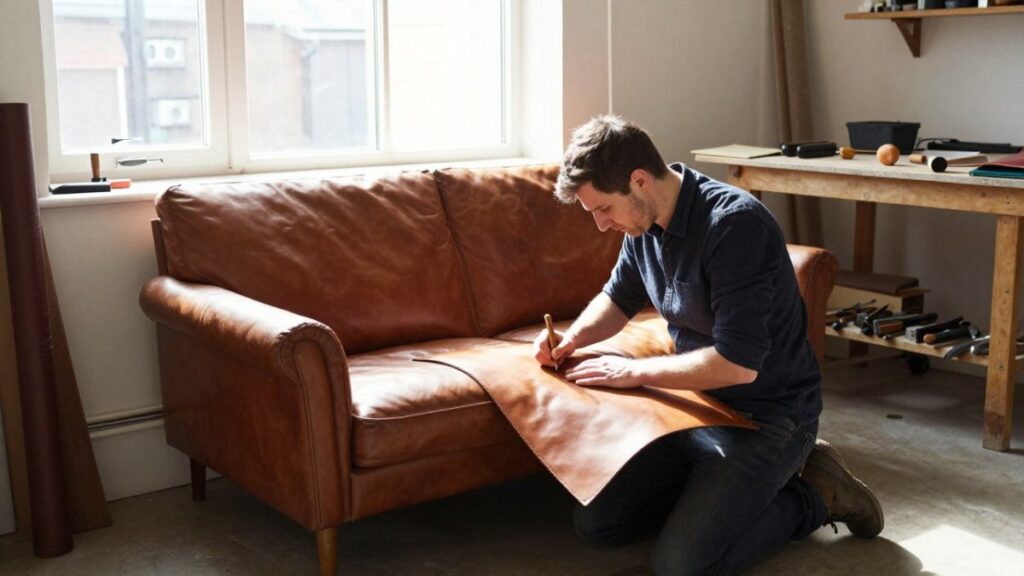
Nov
Last Updated: November 16, 2026
Quick Summary
To identify authentic british made furniture, ask for the manufacturing site’s name and location, request the country of origin in writing on your order, and confirm which components are imported. A genuine claim must be accurate and not misleading under consumer protection law, so check the frame, joinery and maker’s mark rather than trusting the label alone.
- A Made in Britain label can be true even when frame timber is imported, so it reveals little about craftsmanship.
- British-designed means the idea came from a UK studio; British-made means the physical build happened here.
- Ask which manufacturing stages were completed on site, such as frame assembly, upholstery and finishing.
- On deep-buttoned sofas, buttoning should sit deep and even with no puckering or pulled fabric.
- A confident verbal answer is not evidence; if the written order and maker’s mark do not line up, treat the claim as unproven.
Table of Contents
- What a Made in Britain Claim Actually Means
- British-Made vs British-Designed Furniture
- How to Check Where Furniture Is Made
- Sofa Frame and Upholstery Quality to Inspect
- Questions to Ask When Buying a Sofa
- A Practical Verification Checklist for Country-of-Origin Claims
- Choosing Your Tetrad Piece With Confidence
- Frequently Asked Questions
What a Made in Britain Claim Actually Means
A “Made in Britain” claim means the product was substantially manufactured in the UK, but with british made furniture the label alone tells you very little about where the materials came from or how the piece was built.
Origin marking in the UK is governed by consumer protection law, not a single mandatory stamp. The Chartered Trading Standards Institute guidance on country of origin claims sets out that any origin claim must be accurate and not misleading. That’s the key phrase: not misleading.
So a retailer can say “Made in Britain” when the sofa is assembled here, even if the frame timber was imported. The claim can be true and still tell you almost nothing about craftsmanship.
The Limits of Origin Marking
The law protects you from outright lies, not from vague wording. A “designed in Britain” badge has no legal link to where the piece was built. “British brand” says nothing about the factory floor.
That gap is where buyers get caught out. The label is a starting point, not proof.
British-Made vs British-Designed Furniture
British-made and British-designed furniture are not the same thing, and the difference matters when you’re spending serious money on a sofa. British-designed means the idea, drawings and styling came from a UK studio. British-made means the physical build happened here.
A piece can be both. A piece can also be designed in Britain and manufactured overseas, then sold with a British-sounding name. For broader guidance on spotting handcrafted quality cues beyond origin claims, our guide on how to identify quality handcrafted furniture walks through the details worth checking.
Ask directly: where was this sofa actually built? A confident seller answers without flinching.
How to Check Where Furniture Is Made
You check where furniture is made by asking for specifics and following the paper trail, not by trusting the showroom label. Start with these steps:
- Ask for the name and location of the manufacturing site.
- Request the country of origin in writing on your order.
- Ask which components are imported and which are made in-house.
- Check the frame, fillings and upholstery separately.
- Look for a serial number or maker’s mark on the piece itself.
If a seller dodges any of these, treat it as a warning sign.
Tracing Frames, Fillings and Imported Components
The frame is usually where imported timber enters the story. Many British makers use hardwood from overseas, which is normal and fine. What matters is whether they tell you.
Fillings, foam and webbing are often sourced from specialists. Genuine leather may be tanned abroad. None of this makes a sofa less British-made, but a maker who explains their supply chain is a maker who has nothing to hide.
These are the checks that turn a vague origin label into something you can actually verify.
| Step | What to do |
|---|---|
| 1 | Ask for the name and location of the manufacturing site |
| 2 | Request the country of origin in writing on your order |
| 3 | Ask which components are imported and which are made in-house |
| 4 | Check the frame, fillings and upholstery separately |
| 5 | Look for a serial number or maker’s mark on the piece |
Sofa Frame and Upholstery Quality to Inspect
Sofa frame and upholstery quality is what actually determines whether a piece lasts, so inspect construction before you fall for the fabric. A well-joined frame is generally more durable than a poorly built one, and the difference is often visible if you know where to look.
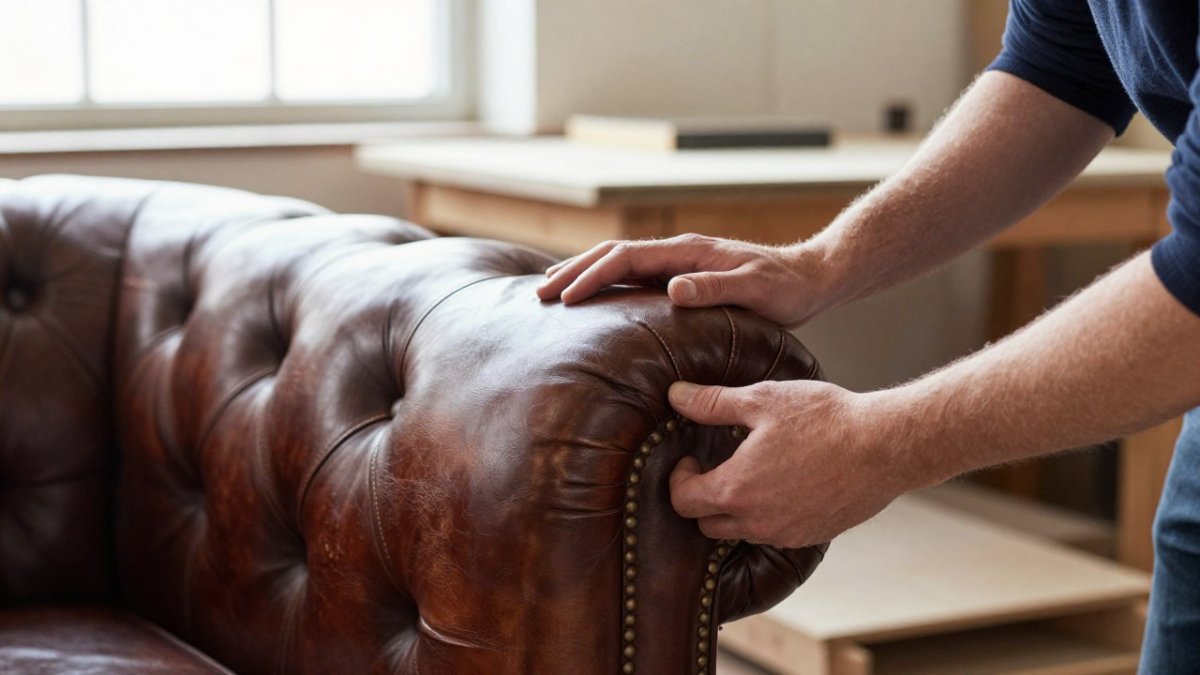
Frame and Joinery Cues
Ask what the frame is made from and how it is joined, as the joinery method is a useful guide to build quality. Where you can reach the frame, feel for sharp edges, loose joints and thin sections; a well-built frame feels solid and consistent. Look underneath the sofa as well as at the visible arms and back, because care in the hidden places is the clearest sign of care overall. For a deeper look at which frame materials and joints to check, our guide on what to look for in sofa frames covers it in detail.
Upholstery, Buttoning and Hand-Finishing
On a deep-buttoned sofa, buttoning should sit deep and even, with no puckering or pulled fabric around each button. Check the stitching on seams and piping for straightness and consistency, and look at how the fabric or leather is pulled around corners. These are the details that separate hand-finishing from a rushed assembly line. Our buyer’s guide on why traditional joinery matters for sofa longevity explains why these methods hold up over decades.
Leather and Fabric Authenticity
Ask whether the leather is genuine or imitation, and where it was tanned. Genuine leather should show a natural grain and variation rather than a uniform printed pattern, and the finish should feel supple rather than plasticky. On fabric, check the weave and rub count where the maker supplies it, and ask how the cover is fitted. None of this makes a sofa less British-made, but a maker who explains their materials is a maker who has nothing to hide.
Checking a Tetrad Piece
When you are looking at a Tetrad sofa, apply the same checks: ask about the frame and joinery, look at the buttoning, and confirm the leather or fabric and its origin. Our sofas and chairs are handcrafted, and the details above are worth asking about before you choose a fabric or leather. If you want context on what British handcrafted furniture actually offers, our piece on the benefits of handcrafted British furniture is a good next read.
Questions to Ask When Buying a Sofa
The right questions when buying a sofa get you past the sales patter and into the facts. Ask them plainly and listen for specifics:
- Where was this sofa built, and can you confirm it in writing?
- What is the frame made from, and how is it joined?
- Is the leather genuine or imitation, and where is it tanned?
- Which parts are imported?
- How is the buttoning and studding finished?
- What does the guarantee actually cover?
A seller who answers all six with detail is worth your time.
A Practical Verification Checklist for Country-of-Origin Claims
A checklist is only useful if you know what evidence sits behind each tick. Use this to turn a vague label into something you can actually test before you commit to a sofa.
- Origin claim stated in writing on the order or invoice
- Manufacturing site named and located, with a full postal address
- The stages completed on that site confirmed (frame assembly, upholstery, finishing)
- Frame material and joinery method confirmed
- Leather or fabric type and origin confirmed
- Imported components disclosed
- Serial number or maker’s mark present on the piece
- Guarantee terms clear and in writing
What Evidence to Ask For
Ask for the factory address, not just a county or a trading name. Then ask which manufacturing stages happen there. A sofa can be genuinely British-made and still contain imported timber, imported leather or imported mechanisms, so the useful question is which stages were completed here and which were not. Request written confirmation of the origin claim on your order, and ask for product documentation that names the site.
Watch out: a confident verbal answer is not evidence. If the written order, the product documentation and the maker’s mark do not line up, treat the claim as unproven until they do.
How Origin Rules Actually Work
Origin marking in the UK sits under consumer protection law rather than a single mandatory stamp, and the Chartered Trading Standards Institute guidance on country of origin claims makes the core test clear: any claim must be accurate and not misleading. That is a legal floor, not a quality guarantee. Voluntary labels and trade-association marks can add useful signals, but they are not the same as a legal requirement, and they do not tell you where every component came from. Distinguish the two before you read anything into a badge.
Tracing the Supply Chain Without Confusing It
Imported materials are not the same as imported finished furniture. A British workshop can build a sofa here using overseas hardwood, specialist foam and leather tanned abroad, and the piece is still substantially made here. What matters is disclosure. Ask separately about the frame timber, the fillings and webbing, the leather or fabric, and any mechanisms. A maker who can walk you through each of those is giving you a supply chain you can assess. A maker who cannot is asking you to take the label on trust.
Verifying Claims Independently
You do not have to rely on the seller alone. Check manufacturer records and product documentation, ask whether factory visits or showroom viewings are possible, and look for relevant certification or membership directories where a maker claims them. For a step-by-step walkthrough on spotting genuine labels and checking serial numbers, see our guide on how to verify authentic Tetrad furniture. It is the same discipline throughout: check the details, not the badge.
Choosing Your Tetrad Piece With Confidence
Now you know what to check, the choice becomes simpler. Genuine british made furniture earns its label through the frame, the joinery and the finish, not the wording on a swing tag.
At Tetrad, our sofas and chairs are handcrafted with over 50 years of craftsmanship behind them. We offer personal guidance through every fabric, leather and collection, and white glove delivery to your door.
The real test of authenticity is what you can see and verify yourself. Ask the questions, check the frame, read the guarantee.
Frequently Asked Questions
How can you tell if a sofa is genuinely made in Britain?
Start with the label and the product description, then ask the retailer directly where the frame, fillings and cover were made and where the piece was assembled. A genuine claim survives a follow-up question, so ask for the factory location and the components’ origins. Look at the construction too: a stapled softwood frame and glued joints point to volume production, while dowelled or screwed hardwood joints and hand-finished upholstery are stronger signals of British workshop practice.
What is the difference between British-made and British-designed furniture?
British-designed means the look was created here; the piece may be built anywhere. British-made means the manufacturing, or the last substantial stage of it, happened in a British workshop. The two claims are often used together, and a retailer should be able to separate them clearly. If a description says designed in Britain but never states where it is made, treat the origin as unconfirmed until you get a straight answer.
What questions should I ask a retailer about a sofa’s country of manufacture?
Ask where the frame is built, where the upholstery is cut and sewn, where the piece is finally assembled, and where the timber, leather and fabric come from. Ask whether the retailer owns the workshop or buys from a third party, and whether they can show you the production address. A confident seller answers these without hesitation. Vague answers about heritage and tradition, with no factory detail, are the clearest warning sign.
Does a British-made sofa have to be made entirely in Britain?
No. Many British workshops use imported timber, leather or reclining mechanisms, and that is normal in furniture making. What matters is transparency: the maker should tell you which parts are imported and which stages happen on site. A piece assembled here from some imported components can still be genuinely British-made. The problem is silence, not imports. Ask for the split, then judge whether the answer matches the claim on the label.

