
Blog
Benefits of Supporting Local British Artisans
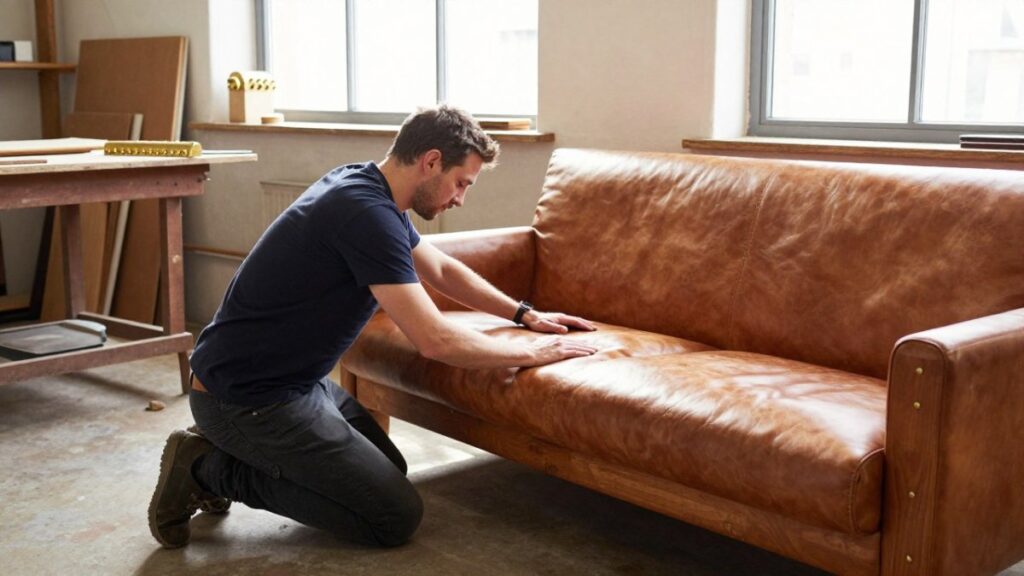
Nov
Quick Summary
Supporting local British artisans gives buyers better construction, the chance to question the people who made the piece, and furniture that can be repaired rather than replaced. For a sofa, which is used every day, these benefits show most clearly in the frame, springing and upholstery. Asking how a piece is made before buying is the simplest way to check.
- Ask how the frame joints are made, not just what wood is used.
- Ask whether the springs are tied by hand and how the seat is supported.
- Ask where the fabric is woven or the leather is sourced.
- Ask what can be replaced later and who would carry out the work.
- A locally branded label is not the same as a locally made sofa.
Table of Contents
- Why Local British Artisans Matter to Buyers Choosing a Sofa
- Handcrafted British Sofas and the Quality You Can Feel
- Keeping Traditional Craft Skills and Techniques Alive
- Traditional Chesterfield Sofas as a Case Study in Craft
- How Long Does a Bespoke Sofa Take to Make?
- Local Economy, Jobs and Community Benefits
- Choosing Your Next Tetrad Piece
- Frequently Asked Questions
Local British artisans make furniture built to last. If you are buying a sofa, that matters more than any showroom sample. Artisan sofas has sold TETRAD sofas since 1994. This guide sets out the real benefits of supporting local British artisans, and why a handmade British sofa is one of the clearest places to see them.
UK Government guidance on buying British-made goods
Why Local British Artisans Matter to Buyers Choosing a Sofa
A sofa is the largest piece of seating most homes will ever own, and it is used every day. Buyers who choose a locally made piece are usually looking for three things: better construction, the ability to ask questions of the people who made it, and a product that can be repaired rather than replaced. At Artisan sofas, we sell TETRAD sofas because they meet all three tests.
When you can ask how the frame is joined or what the cushions are filled with, you can judge the answer for yourself.
Handcrafted British Sofas and the Quality You Can Feel
Handcrafted does not mean vague, but ‘British-made’ can be. Before you compare sofas on feel alone, it is worth knowing how to tell a genuinely British-made piece from an imported one that has simply been branded or finished here. The practical test is provenance: ask where the frame is made, where the sofa is upholstered, and where the fabric or leather comes from. A maker who can answer those questions specifically, and show you the workshop, is giving you something a brochure cannot.
At Artisan sofas, we have visited the Tetrad factory on numerous occasions, so we can describe how these sofas are made. When you are comparing pieces, look for these points:
- Frame construction: Ask how the joints are made, not just what wood is used.
- Springing and seat support: Ask whether the springs are tied by hand and how the seat is supported.
- Fabric and leather choice: Good upholstery houses offer many cloths and leathers, so you can match the sofa to how you live. Ask where the fabric is woven or the hide is sourced.
- Cushion filling: Ask what is inside and how it will settle.
- Repairability: Ask what can be replaced later and who would do the work.
Watch out: A locally branded label is not the same as a locally made sofa. Ask what is inside and where it was made before you compare sofas. If you are considering a Tetrad piece, our team can talk you through exactly how that model is built and what to check when you see it in person. The same care in checking a sofa’s materials and origins applies to locally made wooden furniture, where knowing how it was made helps you choose with confidence.
The checklist below sets out what to ask a maker before you compare British-made sofas.
| Check | What to ask | Why it matters |
|---|---|---|
| Frame construction | How are the joints made? | Shows how the frame is built, not just the wood used |
| Springing | Are springs tied by hand? How is the seat supported? | Affects comfort and seat support |
| Fabric and leather | Where is the cloth woven or hide sourced? | Confirms the origin of the covering |
| Cushion filling | What is inside, and how will it settle? | Determines how the seat wears over time |
| Repairability | What can be replaced later, and who does the work? | Shows whether the sofa can be kept rather than replaced |
Keeping Traditional Craft Skills and Techniques Alive
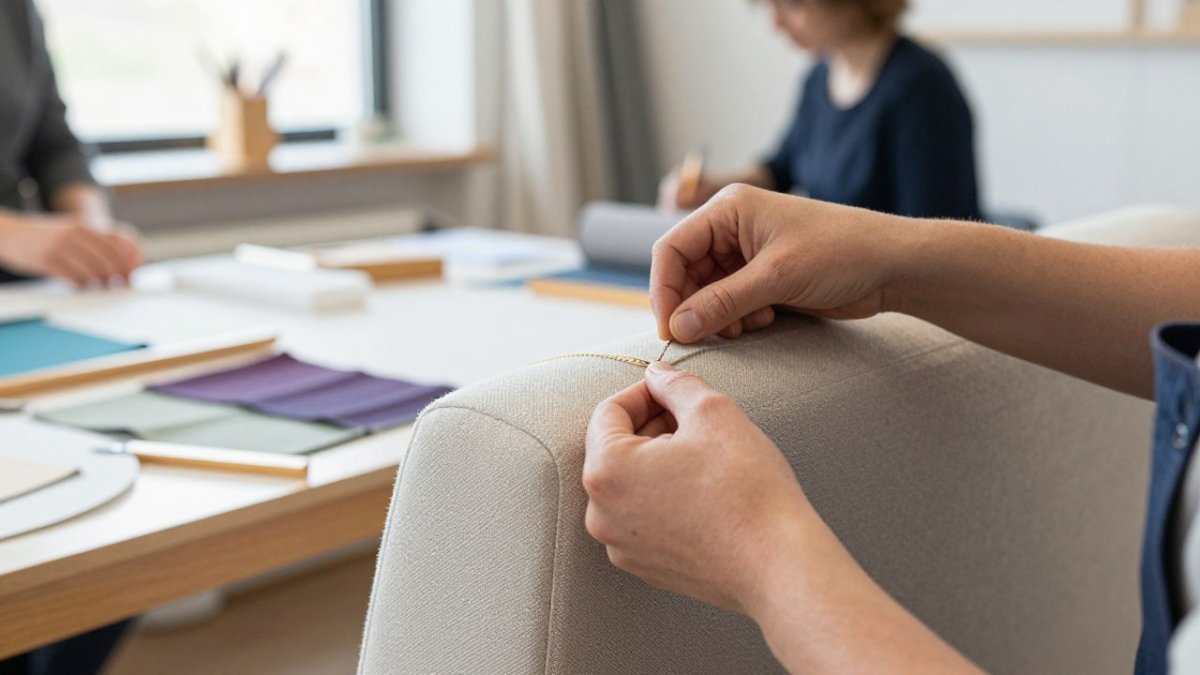
Skills like hand stitching, traditional springing and the fitting of a sofa frame take years to learn. When small workshops keep these skills in regular use, the knowledge stays in the country.
Traditional Chesterfield Sofas as a Case Study in Craft
The traditional Chesterfield is a good example of why craft matters. Its deep buttoning, rolled arms and hand-tied springs are slow to make.
Read our full guide on whether traditional Chesterfield sofa buying guide a traditional Chesterfield suits your room and budget before you commit.
How Long Does a Bespoke Sofa Take to Make?
Lead times depend on the piece, the fabric and the workshop’s current order book, so ask for a specific date when you order.
Local Economy, Jobs and Community Benefits
Every pound spent with a British maker tends to stay closer to home. When you buy a Tetrad sofa, the money you spend pays for skilled trades involved in making the piece.
Ask our team how the specific model is built and what can be repaired later. If you are weighing up a Tetrad piece, ask our team how the specific model is built and what can be repaired later, that is where the local-economy argument becomes a practical one for your home.
Choosing Your Next Tetrad Piece
If you are ready to choose, start with two questions: how you use the room and which fabric or leather suits your home. Then browse the range that fits your answers. You can explore the TETRAD Tate range for classic styling, or look at the TETRAD Portland range if you want a different profile.
When you are ready to order a made-to-measure piece, our guide on how to commission bespoke living room furniture walks through each stage. Our team is happy to talk you through fabrics, sizes and delivery, so call us before you buy.
At Artisan sofas, our TETRAD range is what we sell. Explore the collection and find the piece that will last in your home.
Frequently Asked Questions
What are the benefits of buying a handcrafted sofa?
A handcrafted sofa is built frame by frame, with joints, springing and upholstery finished by people who have learned the trade over years. At Artisan sofas, we have sold TETRAD sofas since 1994, so we can talk you through how these pieces are made and which construction details matter most when you compare options.
How can I tell if a sofa is made by skilled artisans?
Look at the frame first. A solid hardwood frame with corner blocks, secure joints and proper springing is a strong sign of skilled construction, whereas loose staples and thin board suggest mass production. Check the upholstery for even pattern matching, neat piping and smooth, well-tensioned covers. Ask the retailer where the sofa is made and whether they can describe the build process. At Artisan sofas, we know how TETRAD sofas are made because we have visited the factory on numerous occasions, and we are happy to explain it in detail.
How long does it take to make a bespoke sofa?
Lead times for a bespoke sofa depend on the chosen model, fabric or leather, and any made-to-measure dimensions. Timescales are best confirmed directly with the supplier when you order. Ask for a written lead time and delivery date at the point of purchase.

