
Blog
Traditional Upholstery vs Modern Foam Filling for Sofas
Nov
Last Updated: November 8, 2026
Quick Summary
Traditional upholstery builds the seat from layered natural materials, springs and hand-stitched layers, while modern foam filling uses engineered foam blocks that are quicker to produce and more uniform. Foam gives a crisp, upright seat that keeps its shape, whereas traditional fills feel softer on the surface and suit those who value repairability.
- Foam gives a more structured seat, while feathers give a looser, cloud-like comfort.
- Higher foam density generally means more support and better resistance to sagging.
- Traditional materials are largely separable at end of life, while foam is harder to separate.
- Durability depends on the frame as much as the filling, so check frame and springs first.
- Many buyers choose a foam core wrapped in a thin fibre or feather layer for balance.
Table of Contents
- Traditional Upholstery vs Modern Foam Filling: What Sets Them Apart
- Sofa Cushion Fillings Compared: Materials and Construction
- Upholstery Foam Types and Density Explained
- Foam vs Feather Sofa Cushions: Comfort, Feel and Shape Retention
- Lifecycle Cost, Durability and Repairability of Each Method
- How to Care for Sofa Cushions with Different Fillings
- Choosing Your Tetrad Sofa Filling: Next Steps
- Frequently Asked Questions
Traditional Upholstery vs Modern Foam Filling: What Sets Them Apart
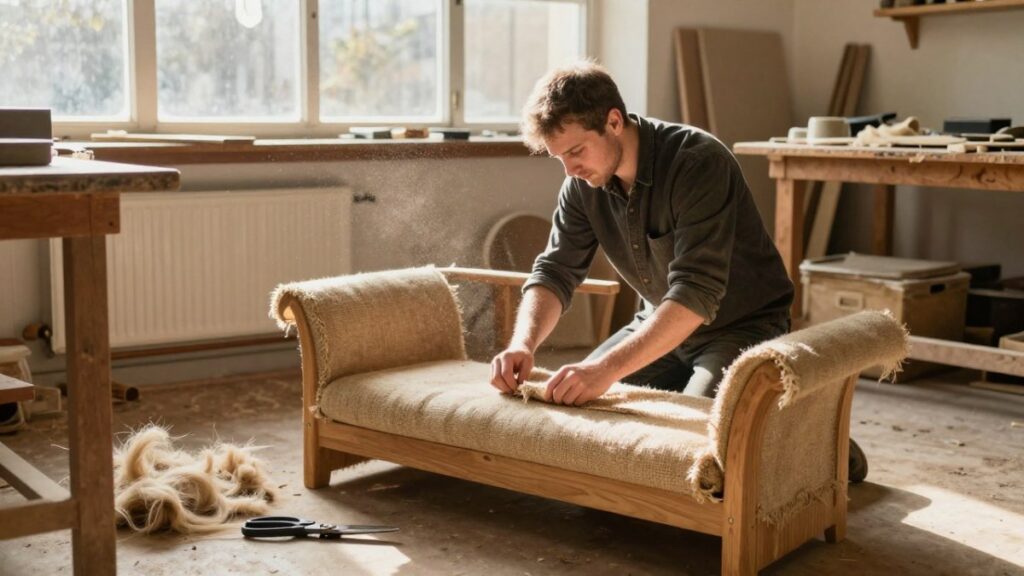
Traditional upholstery and modern foam filling take two very different routes to the same goal: a comfortable, supportive sofa seat. Traditional methods build up the seat with natural materials, springs and hand-stitched layers. Modern foam filling relies on engineered foam blocks and wraps that are quicker to produce and more uniform from piece to piece. For a Tetrad sofa, the choice matters most for how the seat feels from day one and how it holds up over the years.
The difference is more than a matter of age or fashion. Traditional upholstery depends on labour and layered materials that settle and shape to the body over time. Neither approach is automatically better. The right one depends on how you use the sofa, how long you expect to keep it and how much you value repairability.
This comparison looks at the main filling options, how spring systems support the seat, the foam grades you will see on spec sheets, and the trade-offs in comfort, durability, cost and upkeep.
Sofa Cushion Fillings Compared: Materials and Construction
Cushion filling sits on top of the frame and spring system, so it shapes how the seat feels. Traditional sofas tend to combine several natural or fibre layers. Modern sofas often use one dense foam core wrapped in a softer layer.
Each approach brings its own strengths. A layered traditional build can feel softer on the surface yet firm underneath. A single foam core feels more even and keeps its profile well when the density is right. Many good sofas now mix the two, using foam for structure and natural or fibre layers for the top feel.
Traditional stuffings: horsehair, fibre and natural fills
Traditional stuffings include horsehair, fibre and other natural fills.
Spring systems and seat support
The spring system is the foundation of seat support.
The table below sets out the main filling approaches side by side.
| Filling | Construction | Feel |
|---|---|---|
| Traditional stuffings | Layered natural and fibre fills | Softer on the surface |
| Modern foam | Single dense foam core | Even, keeps its profile |
| Hybrid | Foam structure with natural or fibre top layer | Balance of structure and softness |
Upholstery Foam Types and Density Explained
Foam is described by density and by type. Density is measured in kilograms per cubic metre, and it tells you how much material is packed into each block. Higher density generally means more support and better resistance to sagging. Lower density feels softer at first but compresses faster.
When you read a spec sheet, look for the density of the seat foam specifically, not just a general “foam” label.
Foam vs Feather Sofa Cushions: Comfort, Feel and Shape Retention
Feather-filled cushions feel plush and yielding, and many people love that first sink into the seat. To see how leather and fabric sofas differ before you settle on a filling, compare leather and fabric sofas.
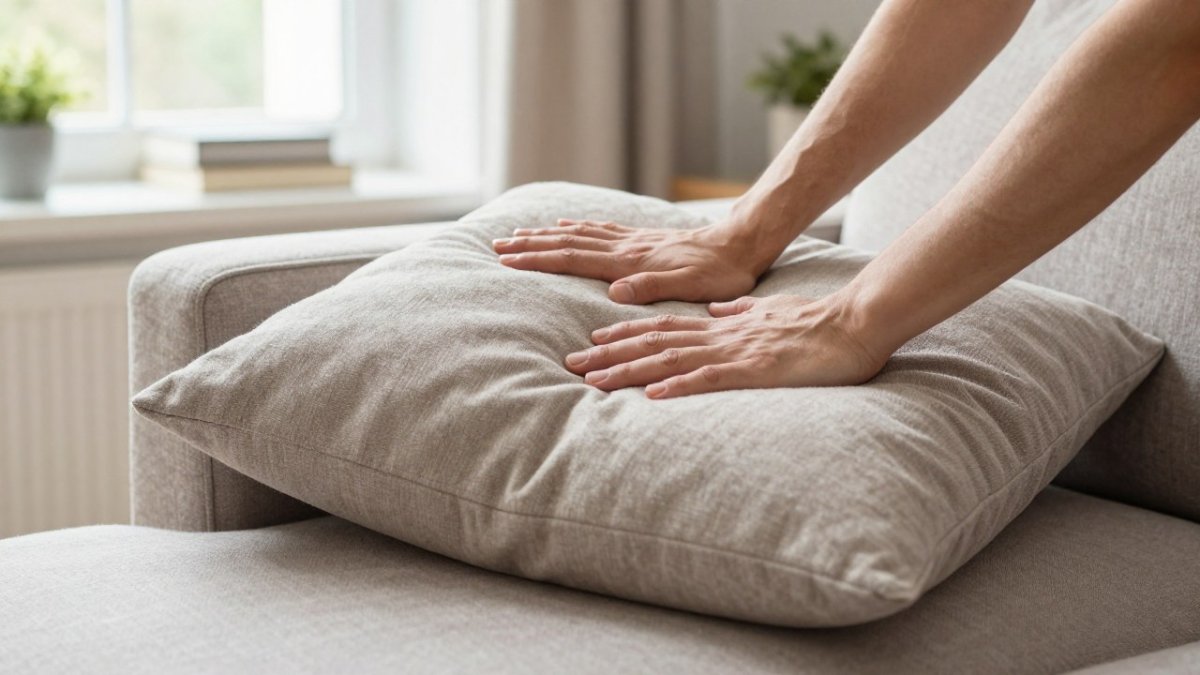
The trade-off is in the feel. Foam gives a more structured seat, while feathers give a looser, cloud-like comfort. If you value a crisp, upright seat that stays the same shape, foam is usually the better match. If you prefer a deeply soft finish and do not mind regular plumping, feathers may suit you. Many buyers settle on a foam core wrapped in a thin layer of fibre or feather for a balance of both.
Lifecycle Cost, Durability and Repairability of Each Method
Price at the point of purchase is only part of the picture. Over the life of a sofa, the more useful measure is cost per year of comfortable use, and that depends on how each construction method can be maintained, repaired and eventually retired.
Repairability: layered versus bonded construction
On a Tetrad sofa, cushion interiors are designed to be replaceable, so a worn seat can be renewed without replacing the frame.
End-of-life and material separation
Traditional materials, horsehair, natural fibre, cotton wadding, steel springs and timber, are largely separable at end of life. Springs can be recycled, timber can be reused or recovered, and natural fills can be composted or disposed of with less processing. Foam is harder to separate from its wrap and cover, and most foam ends up in general waste rather than being recycled. That does not make foam a poor choice, but it is a real difference in end-of-life impact that buyers rarely see on a spec sheet.
Durability: frame first, filling second
Durability depends on the frame as much as the filling. Durability depends on the frame as much as the filling, so check the frame construction and the quality of the springs before comparing filling types. To see how traditional and modern frames compare on durability and repairability, read the comparison.
Practical maintenance and cushion care
Care needs vary by filling. Feather and natural fills need regular plumping and rotating, and foam cushions benefit from turning. Keep cushions away from prolonged direct sunlight and heat, which can dry out natural fills and weaken foam over time. If a cushion starts to sag, a foam core can sometimes be replaced, while a traditional seat may be re-stuffed by a specialist. Regular care is the simplest way to protect the comfort you chose and to stretch the cost per year of comfortable use.
Suitability by frame age and condition
A vintage or antique frame with sound joints is often a good candidate for traditional upholstery, because the frame was built for layered, hand-fitted construction and can be re-sprung and re-stuffed. A contemporary frame designed around foam cushioning may be better served by modern foam filling, where the cushion geometry and fixings are matched to a foam core. Mixing the two, traditional springing with a foam cushion, or a foam core with a natural-fibre wrap, is a common hybrid that gives structure from the foam and surface feel from the natural layer. On a Tetrad piece, the construction is specified to suit the frame and the intended use, so the filling and the frame are chosen together rather than in isolation.
How to Care for Sofa Cushions with Different Fillings
Care depends on the filling. For feather and natural fills, plump cushions regularly and rotate them so wear spreads evenly. For practical steps to rotate, plump and refill sofa cushions, see our guide. Foam cushions need less plumping but benefit from turning, which helps the foam keep an even profile.
Keep cushions away from prolonged direct sunlight and heat, which can dry out natural fills and weaken foam over time. If a cushion starts to sag, a foam core can sometimes be replaced, while a traditional seat may be re-stuffed by a specialist. Regular care is the simplest way to protect the comfort you chose.
Choosing Your Tetrad Sofa Filling: Next Steps
Start by deciding how you use the sofa. A daily family seat calls for firm, supportive construction with a sound spring system. A formal room used for occasional sitting may suit a softer, more traditional feel. Think about how long you plan to keep it, because that shapes how much repairability matters.
Next, ask about the frame, the spring system and the seat foam density before you compare finishes. Then look at the specific Tetrad models that fit your space and comfort preferences. If you would like to see the dimensions and upholstery options for a particular sofa, you can view the Tetrad Mayfair Midi Sofa’s dimensions and upholstery details on our site. For more background on how the warranty applies to your choice, read our guide to Tetrad warranty coverage.
Frequently Asked Questions
What is the difference between traditional upholstery and foam filling?
Traditional upholstery builds the seat from layers of natural or fibre stuffings, often held in shape by hand-tied or coil springs and stitched by hand. Foam filling uses a moulded or cut block of polyurethane foam, which is quicker and cheaper to produce. The practical difference shows up in feel and construction: traditional builds tend to feel more layered, while foam gives a firmer, simpler form of support.
Is foam or traditional upholstery better for a sofa?
Neither is better in every case. Foam offers a firmer, more consistent support, while traditional upholstery suits buyers who value a softer, layered feel. For a long-term piece, consider how you will use it, whether you want the seat to be re-upholstered in future, and what budget you have.
How do you care for sofa cushions with different fillings?
Foam cushions benefit from regular plumping and rotating every few weeks so they wear evenly, and they should be kept away from prolonged direct sunlight, which can degrade the foam. Feather and fibre-filled cushions need more frequent fluffing to keep their loft. Always check the care label on your upholstery before cleaning, as fabric and leather require different treatment.

