
Blog
Performance Velvet vs Traditional Velvet: Pros and Cons
Oct
Table of Contents
- Performance Velvet vs Traditional Velvet: Key Differences
- Performance Velvet Upholstery: Pros and Cons
- Is Performance Velvet Durable for Long-Term Use
- Is Performance Velvet Good for Pets and High-Traffic Homes
- How to Clean Velvet Upholstery Correctly
- Traditional Velvet: When Luxury Justifies the Compromise
- Which Velvet Is Right for Your Home
- Conclusion
- Frequently Asked Questions
Last Updated: October 15, 2026
Performance Velvet vs Traditional Velvet: Key Differences
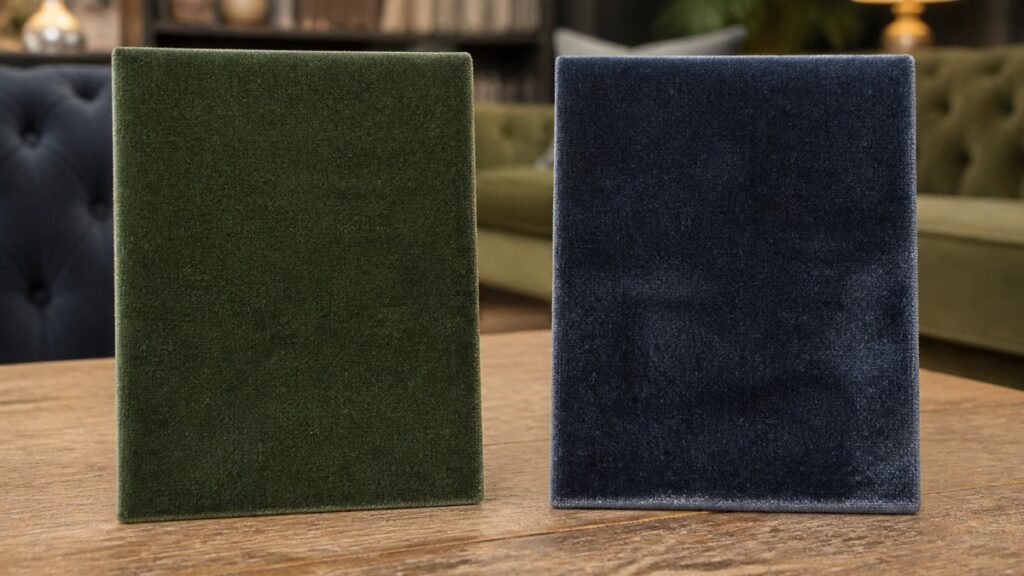
Understanding the performance velvet vs traditional velvet pros and cons shapes durability, maintenance, comfort, and cost. The answer depends less on which fabric is “better” than on how you actually live.
Both look similar at first glance, offering the soft texture and rich colour depth that makes velvet desirable. But beneath the surface, they’re fundamentally different materials built for different lives.
Fiber composition and construction
Traditional velvet is woven from natural fibres: cotton, silk, linen, or a blend. The pile, the raised loops that give velvet its softness, is created during weaving, making it breathable and naturally resilient, but the fibre structure is delicate and demands careful handling.
Performance velvet uses synthetic fibres, usually polyester or a blend, sometimes with nylon for durability. Its pile is engineered to resist crushing, moisture, and staining through chemical finishes applied during manufacturing, creating a protective barrier natural fibres cannot match.
The practical difference: synthetic fibres don’t absorb liquid the way cotton does. Water beads on the surface rather than soaking in, giving you seconds to blot a spill before it sets.
Pile structure and light reflection
Both reflect light differently. Traditional velvet has a directional pile that creates a subtle sheen, angle it one way and it darkens, turn it and it lightens. This is part of velvet’s appeal, but wear patterns show over time as traffic and sitting compress the pile.
Performance velvet pile resists crushing: synthetic fibres spring back more readily and the finish prevents matting. Light reflection remains, but wear patterns emerge far more slowly.
This matters for high-traffic furniture. A traditional velvet sofa in a family room will show visible wear within 2-3 years. Performance velvet in the same setting may show minimal wear over 5+ years.
Performance Velvet Upholstery: Pros and Cons
Advantages for everyday living
Performance velvet’s strength is practicality without sacrifice: the look and feel of luxury velvet with protection built in.
Stain resistance is the most obvious benefit.
Durability follows: performance velvet resists abrasion far better, withstanding pet claws, daily sitting, and children jumping on cushions without visible damage. The pile doesn’t crush or mat like natural-fibre velvet.
Maintenance is simpler: a soft brush and mild soap handle most stains, with no specialist products needed for routine care, and many performance velvets can be spot-cleaned at home without risk.
Colourfastness is another advantage: synthetic fibres hold dye more reliably, so fading from sunlight happens much more slowly and a sofa in a bright room maintains its colour depth longer.
Limitations and trade-offs
Performance velvet isn’t perfect, so understand the trade-offs before committing.
The first limitation is breathability. Synthetic fibres and protective finishes reduce airflow, so in warm climates or summer a performance velvet sofa may feel warmer to sit on than traditional velvet, noticeable over hours.
Texture is subtly different. Performance velvet feels slightly less soft than high-quality traditional velvet, particularly silk or silk-blend.
Environmental impact matters to some. Synthetic fibres are petroleum-based and the chemical finishes aren’t environmentally neutral. If sustainability is important, traditional natural-fibre velvet is better, assuming you accept higher maintenance demands.
Cost varies by quality and brand, but performance velvet typically costs less than premium traditional velvet, an advantage for budget-conscious buyers, though specialist performance fabrics can rival traditional velvet in price.
Is Performance Velvet Durable for Long-Term Use
Abrasion resistance and wear testing
Durability is measured by abrasion resistance, how many cycles a fabric withstands before visible wear. Performance velvet is engineered to pass high abrasion standards, typically 100,000+ Martindale cycles, a test simulating years of use.
Traditional velvet typically rates between 15,000 and 50,000 cycles depending on fibre content and weave. This gap means a performance velvet sofa can endure five to ten times more wear before showing damage.
In a busy family home with children, pets, and daily use, a performance velvet sofa stays visibly unworn for 5-7 years.
This durability gap is why performance velvet exists: it brings velvet’s aesthetic to homes where traditional velvet wouldn’t survive.
Pile crushing and recovery
Pile crushing is velvet’s primary wear mechanism. When repeatedly compressed by sitting, walking, or friction, the pile flattens and doesn’t fully recover, creating visible wear patterns and dull spots.
Performance velvet resists crushing through synthetic fibres that spring back more readily and chemical finishes that maintain pile structure, resulting in slower, less visible wear.
Traditional velvet crushes more easily. Silk velvet is particularly vulnerable because silk fibres lack the resilience of synthetics. Cotton velvet performs better but still shows wear patterns faster than performance fabric.
Recovery after crushing is limited in both: once the pile is permanently flattened, it doesn’t fully restore. But performance velvet’s superior initial resistance means visible damage takes much longer to appear.
Is Performance Velvet Good for Pets and High-Traffic Homes
Pet hair, claws, and daily wear
Pet owners face a genuine conflict with traditional velvet: it’s beautiful but vulnerable, with claws snagging the pile and pet hair clinging stubbornly.
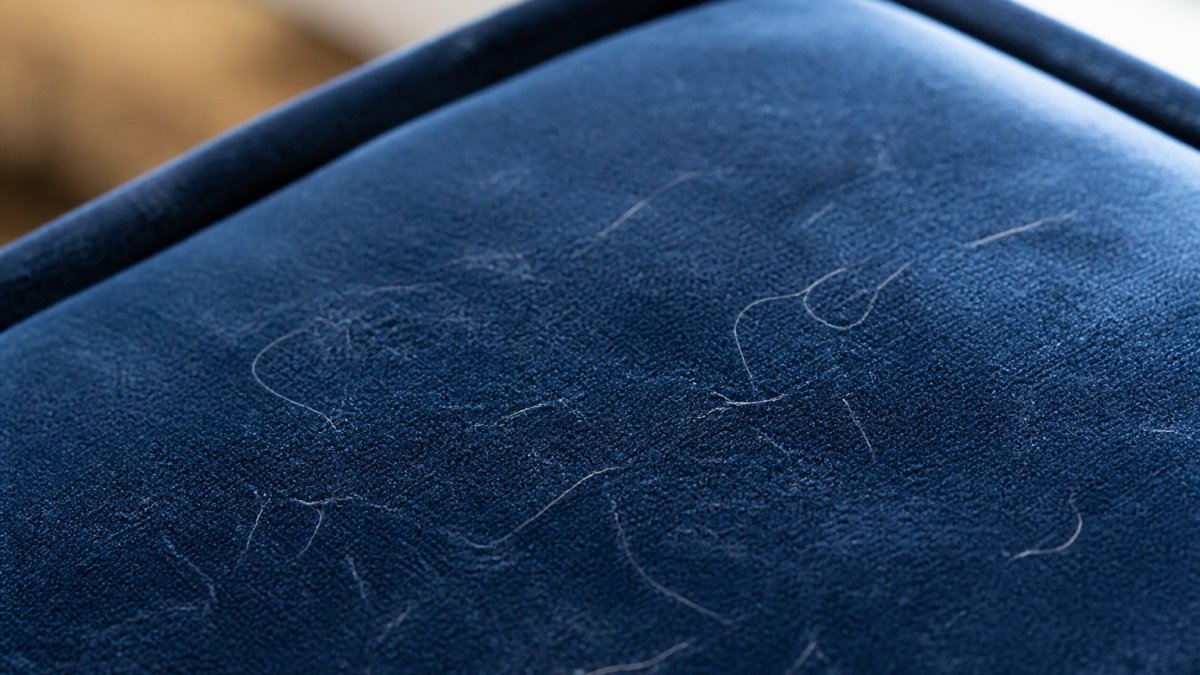
Performance velvet handles both better: the tougher synthetic pile suffers less claw damage, and pet hair doesn’t cling as aggressively, so a lint roller or soft brush removes it more easily.
This doesn’t make performance velvet immune: repeated scratching eventually shows wear and heavy shedding still needs regular maintenance. But the threshold for visible damage is substantially higher.
High-traffic homes with children, visitors, or active daily use benefit enormously.
Stain and moisture resistance for families
Stain resistance is where performance velvet excels for family homes: the protective finish stops liquids absorbing immediately, giving you time to blot before the spill sets.
Common spills, juice, milk, water, coffee, usually come out with a damp cloth and mild soap if caught quickly. Even wine and chocolate, catastrophic on traditional velvet, can often be managed on performance fabric.
Moisture resistance follows the same logic: performance velvet handles spilled drinks, sweaty hands, and damp-climate humidity without absorbing it, while traditional velvet absorbs readily, risking mildew or water staining if not dried quickly.
For families with young children, performance velvet is the pragmatic choice. Traditional velvet demands constant vigilance and specialist cleaning for any significant spill. Performance velvet lets you live normally and clean up afterward.
How to Clean Velvet Upholstery Correctly
Spot cleaning and spill response
The first rule is speed: the faster you respond, the better the outcome, regardless of fabric type.
For liquid spills, blot immediately with a clean, dry cloth, pressing gently without rubbing, rubbing pushes liquid deeper into the pile and spreads the stain. Blot from the outside edge toward the centre.
Once absorbed, mix mild soap with cool water and gently work it into the stain with a soft brush or cloth. Let it sit 5-10 minutes, then blot with a damp cloth to rinse. Repeat if necessary.
For performance velvet this is straightforward because the fabric resists absorption. For traditional velvet, be gentler, excessive moisture can damage natural fibres.
Avoid dry cleaning solvents unless the fabric manufacturer specifically recommends them; harsh chemicals damage many velvet finishes.
Professional care and maintenance schedules
Regular professional cleaning extends any velvet sofa’s life. For performance velvet in normal use, every 12-18 months is reasonable; for traditional velvet or high-traffic performance velvet, every 6-12 months is worthwhile.
Professional cleaners have equipment and expertise home cleaning cannot match: they deep-clean without damaging the pile, remove set-in stains, and refresh the fabric’s appearance.
Between professional cleanings, brush gently in the direction of the pile to remove dust and restore the nap, five minutes monthly prevents dust accumulation.
Vacuum carefully with an upholstery attachment, or use a lint roller. Avoid high-suction vacuums that damage the pile.
Traditional Velvet: When Luxury Justifies the Compromise
Traditional velvet remains the choice for those who prioritize aesthetics and luxury over practicality. It’s genuinely more beautiful than performance velvet, softer, with richer depth and a more luxurious hand.
Silk velvet is the pinnacle: extraordinarily soft, draping beautifully, with unmatched visual depth. But it’s also the most fragile, showing wear quickly and requiring specialist care.
Cotton velvet is more durable than silk but still vulnerable compared to performance fabrics. It’s a middle ground: more strong than silk, still luxurious, and more affordable than silk velvet.
The trade-off is clear: beauty and luxury for vulnerability and maintenance demands.
Which Velvet Is Right for Your Home
Decision framework by room and lifestyle
Start with honest assessment of how the furniture will be used. This decision determines everything.
High-traffic family rooms with children or pets: Performance velvet is the only practical choice.
Low-traffic formal sitting rooms or adult-only homes: Traditional velvet is justified. Without heavy use, durability isn’t the limiting factor, so you get superior aesthetics without significant compromise.
Bedrooms or guest rooms: Either works. Traditional velvet is reasonable given limited use; performance velvet is fine if budget is a concern or guests include children.
Rental properties or temporary furniture: Performance velvet is clearly superior, withstanding tenant wear and needing less maintenance between occupants.
Consider colour too.
When you’re ready to choose, discuss your lifestyle honestly. We recommend fabric that matches your home, not what looks best in a showroom.
Conclusion
The performance velvet vs traditional velvet pros and cons represent different philosophies: practicality versus luxury, durability versus aesthetics. Neither is objectively better, the right choice depends on your home, lifestyle, and what you’ll compromise on.
For most families, performance velvet is smarter: it delivers the look of luxury without living carefully around your furniture, and its durability, stain resistance, and simplified maintenance mean you can enjoy a beautiful sofa without anxiety.
For those with low-traffic spaces and a commitment to maintenance, traditional velvet offers unmatched beauty and tactile luxury no synthetic fully replicates.
When you’re ready to choose, Tetrad sofas and Tetrad chairs offer both options in dozens of colours and designs. Our team can help you evaluate your space, discuss your actual lifestyle, and select the fabric that will genuinely work for your home, not just look beautiful in a showroom. Explore our full velvet collection and custom options
| Fabric Type | Best For | Durability | Maintenance | Cost |
|---|---|---|---|---|
| Performance Velvet | Families, pets, high-traffic rooms | 100,000+ Martindale cycles | Easy spot cleaning, professional care 12-18 months | Moderate |
| Traditional Velvet | Low-traffic formal spaces, adult homes | 15,000-50,000 cycles | Requires care, professional cleaning 6-12 months | Higher |
Frequently Asked Questions
What is the main difference between performance velvet and traditional velvet?
Performance velvet uses synthetic fibres (polyester or nylon) engineered for stain and moisture resistance, whilst traditional velvet is made from natural fibres like cotton or viscose. Performance velvet resists spills and pet hair better, but traditional velvet offers superior softness and a richer appearance. The choice depends on your household’s priorities: durability and ease of cleaning versus luxury feel and visual depth.
Is performance velvet durable enough for everyday family use?
Yes. Performance velvet is specifically designed for high-traffic homes. It resists abrasion, pile crushing, and moisture far better than traditional velvet, making it ideal for families with children and pets. However, durability depends on quality of construction and fibre composition. Synthetic velvet with a tighter pile and higher thread count will outperform lower-quality versions. For a sofa you plan to use daily, performance velvet is the more practical choice.
Is performance velvet good for homes with pets?
Performance velvet is significantly better for pet owners than traditional velvet. Its synthetic fibres resist claws, shed hair clings less easily, and spills (accidents) wipe away cleanly. Traditional velvet’s delicate pile shows pet hair immediately and stains more readily. If you have dogs or cats, performance velvet will require far less maintenance and hide wear marks better. Spot cleaning is straightforward with a damp cloth and mild soap.
How do you clean performance velvet upholstery safely?
For spills, blot immediately with a clean, damp cloth, never rub. For dried stains, use a soft brush in the direction of the pile, then spot-clean with a mild detergent solution. Vacuum gently with an upholstery attachment monthly. Avoid harsh chemicals and excessive moisture. For deep cleaning, professional upholstery cleaners can safely refresh performance velvet without damaging the pile. Always test any cleaning solution on a hidden area first to ensure colourfast results.
Get started with Tetrad sofas and Tetrad chairs. Whether you choose performance velvet for everyday durability or traditional velvet for timeless luxury, our handcrafted sofas and chairs are built to last. Our team provides expert guidance on fabric selection, custom sizing, and styling to ensure your piece fits perfectly into your home. Discover how bespoke furniture transforms a space. Browse Tetrad’s complete sofa and chair collections
