
Blog
Is Silk Upholstery Durable for Daily Use?
Nov
Last Updated: November 12, 2026
Quick Summary
Silk upholstery is generally not durable enough for daily family use. It suits formal, low-traffic rooms, where it can look immaculate for years, but it shows friction and fades in direct sunlight more readily than hard-wearing weaves.
- Silk generally sits at the lower end of the rub-count scale compared with performance fabrics.
- Silk shows friction as a change in sheen before it shows as a hole.
- Keep silk out of direct sunlight or rotate cushions to even out exposure.
- Pure silk is usually the wrong choice for a main family sofa used every evening.
- Blot spills immediately with a dry cloth, working inward from the edge, and never rub.
Table of Contents
- Why Silk Upholstery Appeals to Sofa Buyers
- How Durable Is Silk Under Everyday Wear?
- Silk Upholstery Pros and Cons for Family Living
- Silk vs Linen Upholstery: Which Suits Your Household?
- Durable Sofa Upholstery Fabrics Compared
- How to Clean Silk Upholstery Without Damaging It
- Choosing a Tetrad Sofa Fabric for Your Daily Routine
- Frequently Asked Questions
Why Silk Upholstery Appeals to Sofa Buyers
Silk upholstery is one of the most sought-after finishes in fine furniture. Its lustrous surface catches the light, its hand feel is smooth and cool, and it signals a considered, refined interior.
The question is whether that elegance survives daily life. Silk is a natural fibre with a delicate structure, and it behaves differently from the hard-wearing weaves designed for family homes. Understanding those differences before you order will save disappointment later.
Silk upholstery is a natural-fibre fabric woven from silk threads, valued for its sheen and softness, and generally best suited to lower-traffic seating.
How Durable Is Silk Under Everyday Wear?
Silk is strong for its weight, but strength and wear resistance are not the same thing. A fibre can have high tensile strength, the force needed to pull it apart, and still abrade, snag or thin under repeated rubbing.
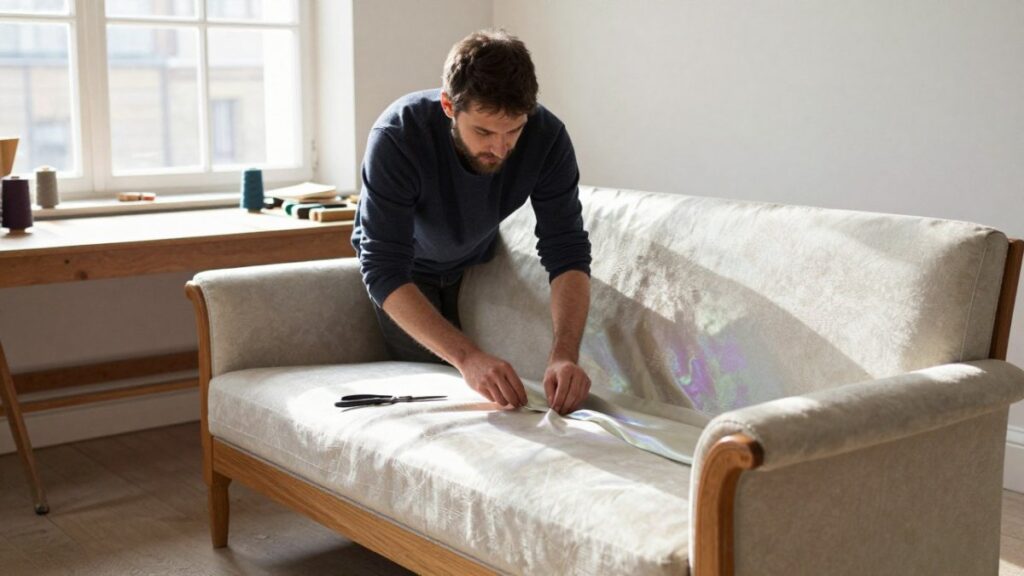
Upholstery fabric is often judged by its rub count, the number of cycles a testing machine can run before visible wear appears (bsigroup.com).
Abrasion, rub counts and what they mean at home
When you compare fabrics, look for a stated rub count and ask what test was used. A higher figure generally indicates better resistance to surface wear, but the number only tells part of the story.
Watch for these everyday causes of wear:
- Denim and rivets rubbing the same seat cushion daily
- Pets with claws climbing onto the arms
- Children leaning on armrests while eating or playing
- Repeated contact from a favourite chair pulled in and out from a desk or table
Watch out: silk shows friction as a change in sheen before it shows as a hole, so a rubbed patch can look fine in a photograph and still be worn.
Sunlight, fading and dust
Silk is sensitive to direct sunlight. Prolonged exposure can weaken the fibres and fade richer dye colours, so a sofa placed in a bright window bay will age faster on the sun-facing side. Position silk furniture away from direct light, or rotate cushions regularly to even out exposure.
Dust is less of a problem than with coarse fabrics, but fine particles settle into the weave and dull the sheen over time. Regular light vacuuming with a soft brush attachment keeps the surface looking clean.
Matching silk to your household use level
A single verdict on silk misses the point, because durability is a function of use. A practical way to decide is to separate the furniture by how hard it will be worked:
- Occasional-use furniture, a formal sitting room used for entertaining, a bedroom chair, a guest-room sofa. Pure silk can perform well here for years with routine care.
- Daily-use sofas, the main family sofa used every evening. Pure silk is usually the wrong choice; a silk blend with a backing or a performance finish is more realistic, and a hard-wearing weave is safer still.
- Dining chairs, high contact at the seat edge and back, plus food and drink spills. Silk is generally not recommended unless the chairs are rarely used.
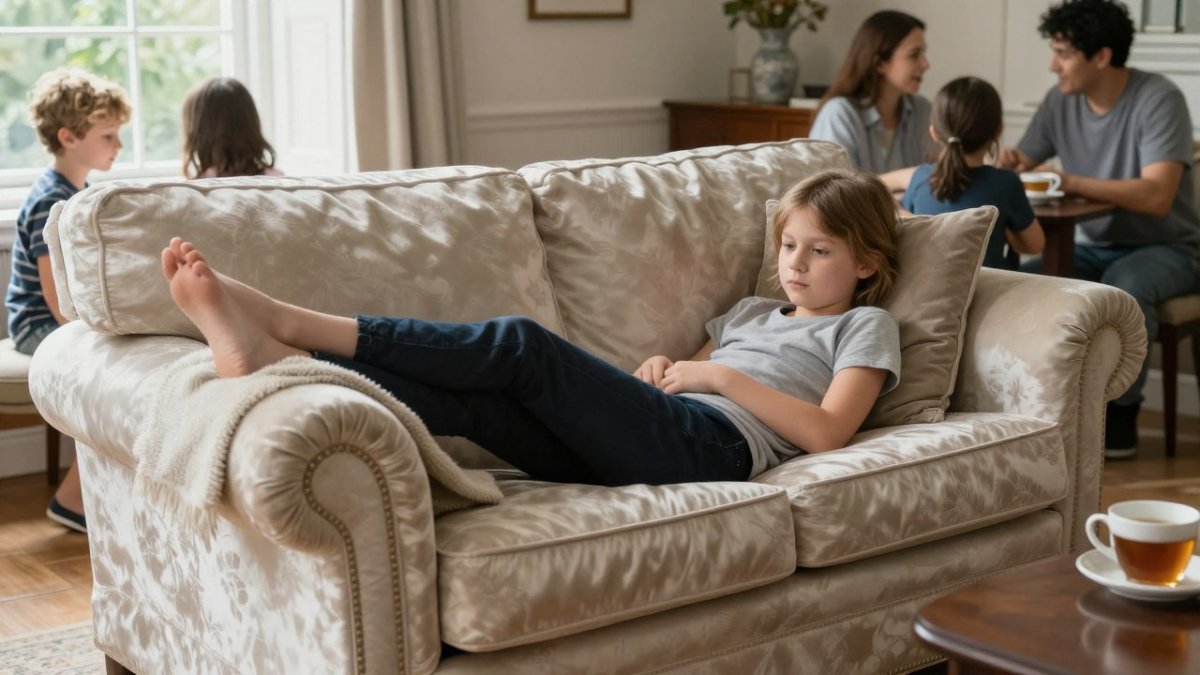
- Homes with children or pets, claws, spills and constant movement make pure silk a poor fit. If silk is wanted for the look, confine it to a low-traffic room and choose a treated or blended version.
If you are considering a Tetrad piece, use this framework against the specific room it will sit in rather than against the fabric’s appearance in a showroom. A Tetrad sofa in a formal room and the same sofa in a family room are two different durability propositions. That room-specific distinction also applies when comparing silk with other upholstery choices, since Beautiful Windows Elgin can be considered alongside the demands of everyday use.
Silk Upholstery Pros and Cons for Family Living
Silk can suit a family home, but only with clear expectations. Here is how it balances out:
Pros
- Exceptional appearance and a luxurious hand feel
- Breathable and comfortable in warm weather
- Works well in formal rooms with limited daily use
- Dust and surface soiling are easy to lift with routine care
Cons
- Lower abrasion resistance than performance weaves
- Fades in direct sunlight
- Delicate stains need prompt, careful treatment
- Usually requires specialist cleaning rather than home methods
Silk works best where the sofa is admired rather than heavily used. Check how long a Tetrad sofa lasts with proper care before committing to a fabric for family living. For a family room used every evening, a more strong fabric will usually serve better, while silk can still be chosen for a separate formal seating area.
Silk vs Linen Upholstery: Which Suits Your Household?
Linen is the most common alternative buyers consider alongside silk. Linen is a plant fibre with a slubbed, natural texture. It is generally more forgiving of everyday contact than silk, and its matt surface hides minor marks better than a sheen does.
Choose silk if your priority is a polished, formal look and the sofa will sit in a room with controlled light and modest traffic. Compare the Heritage Collection and Modern Range to see how their fabric options differ for each kind of household. Choose linen if you want relaxed elegance and expect more regular use.
Durable Sofa Upholstery Fabrics Compared
If durability is the main concern, look beyond pure silk. The table below sets out how the main upholstery choices compare on the points that matter for daily use. Ratings vary by fabric, so always check the stated rub count and test method for the exact cloth you are considering.
| Fabric | Typical rub count (Martindale, indicative) | Sunlight fading | Stain tolerance | Cleaning | Best suited to |
|---|---|---|---|---|---|
| Pure silk | Lower end of the domestic scale; rarely rated for heavy domestic use | Fades readily in direct sun | Low; water marks and rings | Specialist cleaning | Formal, low-traffic rooms |
| Silk blend with backing or performance finish | Can be specified higher than pure silk; varies widely by construction | Improved but still sensitive | Moderate | Often specialist, sometimes mild home care | Daily-use sofas where the silk look is wanted |
| Linen | Mid-range; varies by weave | Can fade | Moderate; matt surface hides marks | Some home care possible | Relaxed living rooms with regular use |
| Tightly woven cotton | Mid to high | Moderate | Good | Often home-cleanable | Family sofas |
| Performance weave (synthetic blends) | High; often specified for heavy domestic use | Good | High | Easy home care | Busy family rooms, homes with pets |
| Textured wool blend | High | Good | Good; texture hides marks | Specialist or careful home care | Daily-use sofas |
| Leather | Not measured by rub count; assessed by finish and thickness | Can fade but ages evenly | High; wipes clean | Simple routine care | Long-term daily use |
Pure silk versus silk blends and treated silk
The word “silk” on a label does not tell you how the fabric will wear. Pure silk is the most delicate option. A silk blend, for example silk mixed with linen, cotton or a synthetic, can improve abrasion resistance and reduce cost, though the blend ratio and weave matter more than the word “blend” itself. A backing or a protective finish can also change real-world suitability by reducing snagging and making spills easier to lift.
Lifecycle cost and ownership trade-offs
Durability is only half the decision; the other half is what ownership costs over time. Pure silk tends to need professional cleaning rather than home methods, which can add recurring cost. It is also more likely to need repair, re-covering a worn seat or arm, sooner in a busy room. A performance weave or leather often needs less cleaning and fewer repairs, which can affect the total outlay over several years.
Compare fabrics on four points: rub count and test method, colourfastness in sunlight, stain tolerance and how easily the surface cleans. A useful test is to ask whether a fabric’s appearance will still satisfy you after several years of daily sitting, not just on delivery. A practical guide to matching sofa fabric to your lifestyle and maintenance needs can help you test this. If you are weighing up a Tetrad sofa, bring these four points to the fabric shortlist so the choice is matched to the room rather than to the showroom.
How to Clean Silk Upholstery Without Damaging It
Silk responds badly to aggressive home cleaning. Water-based products can leave rings, and vigorous scrubbing will damage the surface and dull the sheen.
A safe routine looks like this:
- Vacuum the surface weekly on a low setting with a soft brush.
- Blot spills immediately with a clean, dry cloth. Do not rub.
- Test any cleaner on a hidden area first.
- For set-in marks, use a specialist upholstery cleaner or a professional service rather than home remedies.
Watch out: rubbing a spill spreads it and can disturb the fibres, so always blot inward from the edge toward the centre.
Repair scenarios such as snags or small tears are best handled by an upholstery specialist, as attempts to fix them at home often make the damage more visible.
Choosing a Tetrad Sofa Fabric for Your Daily Routine
Start with how you will use the sofa. Consider who sits on it, how often, whether pets have access, and how much direct sunlight reaches it. Those answers matter more than the fabric’s appearance in a showroom.
If you love the look of silk, consider it for a formal living room used mainly for entertaining. You can view the Tetrad Belgravia Petit Sofa with its covers and price. Browse our fabric collections to compare finishes side by side and choose a Tetrad sofa that fits your daily routine. Explore Tetrad fabrics, from velvet to checks and textured weaves to find a durable finish.
For ongoing maintenance, keep the sofa out of direct sun, vacuum regularly, act on spills quickly and arrange professional cleaning when needed. Looked after this way, a Tetrad piece can remain a long-term investment.
Frequently Asked Questions
Is silk upholstery durable enough for everyday use?
Silk upholstery suits daily use in a quieter household, such as a formal sitting room or a sofa used for evening seating. Silk fibres are strong, but the fabric has limited resistance to abrasion, so repeated rubbing from clothing, bags and bodies wears it faster than tougher weaves. In a busy family room, a silk sofa will show wear sooner than a sofa in a hard-wearing fabric. If you want a silk look for a high-use sofa, consider a silk blend or a protective treatment, and speak to the team at Tetrad sofas about which Tetrad fabrics suit your routine.
How do I clean silk upholstery at home?
Start by vacuuming gently with an upholstery attachment to remove dust, which can become trapped in the weave. Test any cleaner on a hidden area first, and avoid soaking the fabric. For fresh spills, blot with a clean, dry cloth rather than rubbing, which can spread the mark and damage the fibres. Silk often needs specialist care, so for stubborn stains or a full clean, use a professional upholsterer who handles silk. Check the care label on your Tetrad piece before you clean it.
Which sofa fabrics are more durable than silk?
Tightly woven fabrics such as cotton twills, linen blends and performance synthetics generally resist abrasion better than silk. Leather is also tough, though it needs regular conditioning. For a sofa used every day, a hard-wearing weave is usually the more practical choice, while silk suits pieces that are sat on less often. The best option depends on how the sofa is used, so ask the team at Tetrad sofas to talk you through the fabrics available across the collections.
Can a silk-upholstered sofa be used in a home with children or pets?
It can, but silk is a demanding choice in a household with children or pets. Pets with claws can snag delicate fibres, and food, drinks and dust are harder to remove from silk than from more robust fabrics. If you have children or pets, a tougher fabric or a silk blend with a protective treatment will usually hold up better. A Tetrad sofa in a hard-wearing fabric may suit your household more closely, and a quick conversation about your routine can help narrow the choice.

