
Blog
Are Harris Tweed Sofas Worth the Investment?
Nov
Table of Contents
- What Makes Harris Tweed Sofas Different
- Harris Tweed Sofa Durability: What the Material Delivers
- Harris Tweed Upholstery Pros and Cons
- Harris Tweed Sofa Care and Cleaning
- Tetrad Harris Tweed Sofas: What You’re Actually Buying
- Cost of Ownership: Is the Investment Justified?
- Should You Buy a Harris Tweed Sofa?
- Frequently Asked Questions
Last Updated: October 13, 2026
What Makes Harris Tweed Sofas Different
Harris Tweed sofas worth considering are those where you value heritage craftsmanship and natural materials. Their appeal lies in three things: the fabric, how the sofa is built, and the design philosophy behind it.
Wool construction and natural fibre properties
Harris Tweed is pure wool, woven by hand on the Outer Hebrides to strict standards established over generations. Wool resists soiling better than many alternatives because the fibre structure repels liquids initially, it regulates temperature naturally, and it develops a patina over time rather than showing wear uniformly.
The weaving process matters as much as the raw material. Each bolt involves individual craftspeople working traditional looms, so colour variation between batches is normal. The fabric weight is substantial, typically heavier than contemporary upholstery, which contributes to how the sofa feels and performs under daily use.
Hand-built frames and traditional craftsmanship
A Harris Tweed sofa from us at Tetrad sofas is built on hardwood frames, typically beech or similar timber selected for strength and longevity. The frame uses mortise-and-tenon joinery, which creates joints that strengthen over time rather than weakening, which is why handcrafted pieces can last decades.
The seat platform combines hardwood with coil or pocket springs, depending on the model, distributing your weight across the frame rather than concentrating pressure in one area. The back typically uses springs and webbing to maintain shape and support.
Every component is assembled by hand, so slight variations between one sofa and another are inevitable and intentional. This is the trade-off for construction methods that prioritise longevity over uniformity.
Harris Tweed Sofa Durability: What the Material Delivers
Harris Tweed sofas are designed to last. Dense wool and strong construction create furniture that can perform well for 15-20 years or longer with proper care.
Wear resistance and longevity expectations
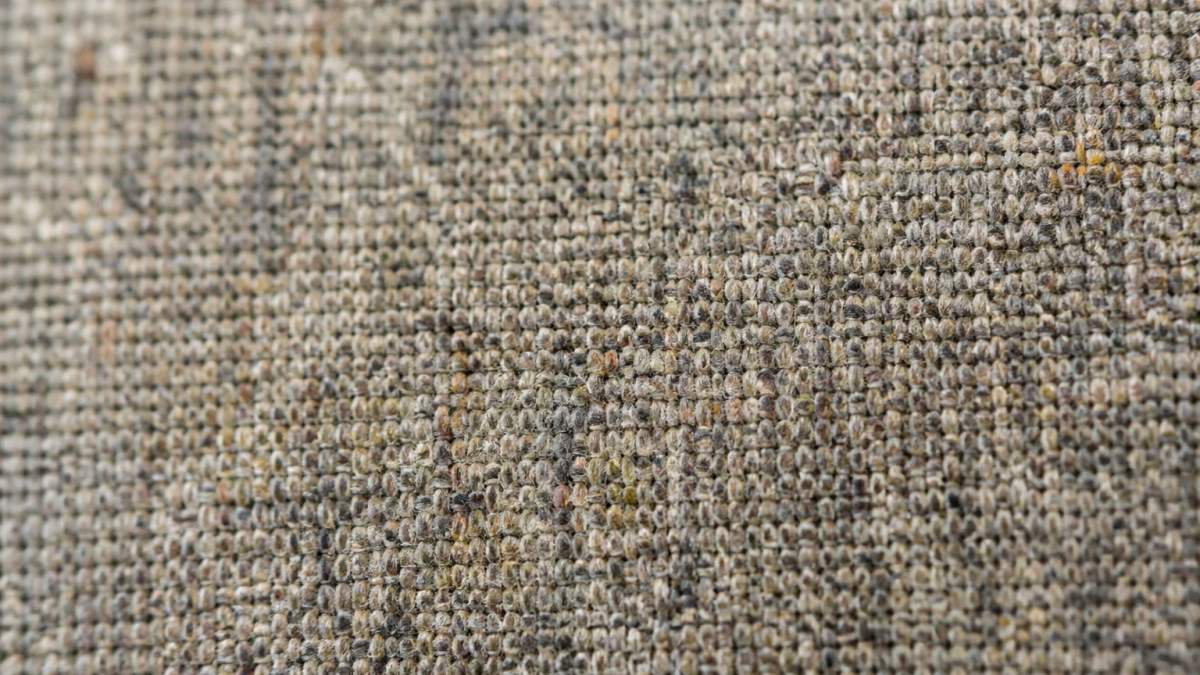
Wool is naturally resilient: the fibre bounces back from compression, so sitting areas don’t flatten as quickly as with synthetic fabrics. This is one reason Harris Tweed has remained popular for upholstery since the 19th century. The tight weave also resists pilling, though some surface fuzzing is normal and manageable.
Wool’s natural lanolin causes liquid to bead on the surface initially, giving you time to blot spills before they absorb. This is useful for everyday accidents, though it’s not waterproofing: prolonged moisture exposure will eventually penetrate the weave.
Colour fastness varies by dye lot, and lighter tweeds can fade in direct sunlight more visibly than darker shades. This isn’t a defect, it’s how natural wool behaves. Positioning your sofa away from south-facing windows mitigates this significantly.
Frame construction and seat support systems
The hardwood frame is where longevity truly lives. Beech and similar timbers are dense enough to resist warping and splitting, and mortise-and-tenon joints tighten slightly over time as wood naturally moves, whereas modern dowel joints or stapled construction can loosen.
Coil springs typically outlast the upholstery, and a well-maintained spring system should perform for 20+ years. Pocket springs isolate movement better, which some prefer for comfort but which adds cost.
The seat platform’s webbing, the fabric straps that support the springs, can deteriorate over time, particularly if exposed to moisture or heavy use. This is repairable but requires professional upholstery work, a maintenance reality for any sofa with this construction method.
Harris Tweed Upholstery Pros and Cons
Advantages: comfort, aesthetics, and practicality
Harris Tweed sofas offer genuine comfort once you understand what to expect. The dense weave creates a firm surface many people prefer to softer fabrics, and the wool is naturally breathable, so the sofa doesn’t trap heat the way some synthetics do.
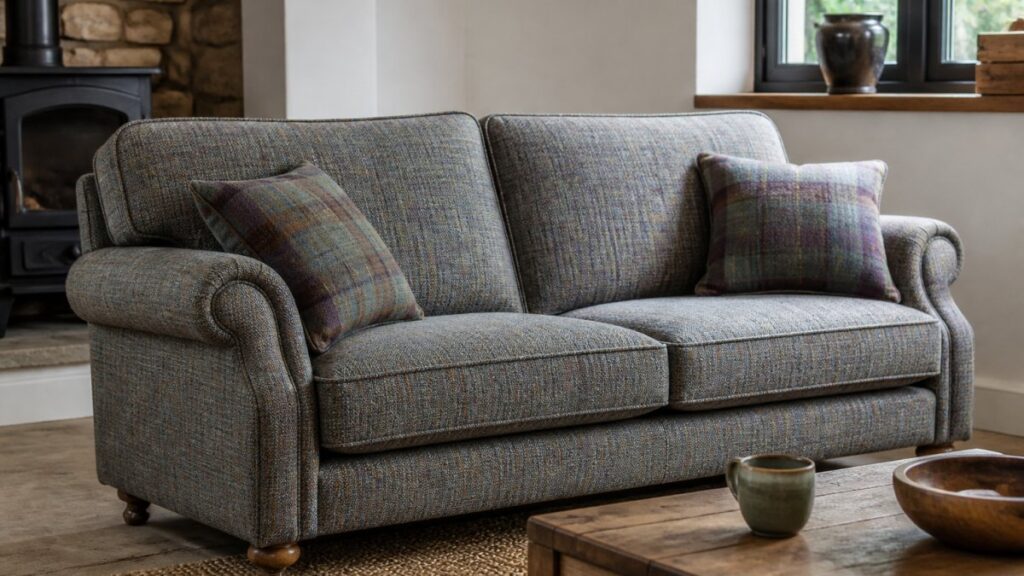
Aesthetically, Harris Tweed has a distinctive visual presence. The woven texture is immediately recognisable, and the colour depth, particularly in traditional checks and herringbone patterns, creates visual interest solid fabrics don’t achieve. The texture adds dimension, so it looks better in person than in online images.
Practically, the fabric is forgiving: it hides dust and minor stains better than solid colours, and the tight weave means pet hair doesn’t embed as easily as in velvet or microsuede. For households with children or pets, this is a meaningful advantage.
Real-world drawbacks and suitability concerns
Harris Tweed is not suitable for every home. The fabric can feel scratchy to some people, particularly on bare legs or arms.
The fabric is also prone to bobbling if it repeatedly contacts rough textures: a rough jumper sleeve rubbing against the armrest over months can create small pills. This is cosmetic rather than structural, but visible and frustrating.
Staining is possible despite wool’s water resistance. Acids like wine or tomato can set permanently if not treated quickly, and red wine on Harris Tweed is a genuine risk: you need to act within minutes, not hours.
The weight of Harris Tweed is also a practical consideration. A two-seater in this fabric is heavier than the same model in lighter upholstery, which matters if you move house frequently or rearrange often.
Harris Tweed Sofa Care and Cleaning
Maintaining a Harris Tweed sofa requires understanding the material’s needs. Regular vacuuming with an upholstery attachment is the foundation: do this weekly if the sofa receives daily use, removing surface dust and debris before they embed in the weave.
Spills demand immediate attention: blot liquids with a clean, dry cloth, never rub. For sticky substances or potential stains, use a damp cloth with lukewarm water and a tiny amount of mild detergent, testing any solution on an inconspicuous area first.
Dry cleaning is an option for deeper cleaning, but it’s expensive and not always necessary.
Bobbling can be managed with a fabric comb or electric depiller, used gently and infrequently. Minimise sunlight exposure through careful placement or curtains and blinds, protecting both the colour and the fibres, which can weaken under prolonged UV exposure.
Tetrad Harris Tweed Sofas: What You’re Actually Buying
When you choose a Harris Tweed sofa through us at Tetrad sofas, you’re investing in more than the fabric. Our approach combines the heritage material with modern comfort expectations and customisation flexibility.
Heritage styling and timeless design credentials
Tetrad Harris Tweed sofas are designed for homes that value traditional or transitional interiors. The aesthetic is intentionally timeless: classic check patterns and subtle colour palettes meant to suit your home for decades, not seasons. This is both an advantage and a limitation, since if your taste tends toward contemporary minimalism or bold modern design, Harris Tweed may feel at odds with your space.
The design credentials signal intent: these sofas are built to be kept, not replaced. Every detail, from proportions to leg design to cushion density, reflects decades of furniture-making tradition. You’re buying a foundational piece, not a fashionable one.
Customisation, white glove delivery, and support
Our offering includes personalised guidance to help you select the right Harris Tweed for your space. Choosing a high-value piece without sitting on it first creates anxiety, so we narrow options based on your living patterns, your home’s light conditions, and your comfort preferences.
White glove delivery means the sofa arrives through a service that includes careful placement in your home: the team positions it, removes packaging, and ensures it’s set correctly. This matters because a Harris Tweed sofa is heavy and valuable, so you want professionals handling it.
After purchase, you have access to support for maintenance questions and repair guidance. We can advise on upholstery specialists if issues arise.
Cost of Ownership: Is the Investment Justified?
Comparison with alternative sofa fabrics
A Harris Tweed sofa costs more upfront than most mass-produced alternatives.
However, initial price tells only part of the story. A Harris Tweed sofa should perform for 15-20 years with normal use, while a cheaper sofa might need replacement in 7-10 years.
Synthetic fabrics often require less maintenance and are more stain-resistant, which has genuine value for some households. Microsuede or performance fabrics offer practical advantages with young children or pets, but they don’t age as gracefully: they show wear patterns more visibly and are harder to repair.
Leather sofas occupy a different category. High-quality leather costs similarly to Harris Tweed but is easier to clean and more durable to physical wear, though it requires conditioning and can be damaged by sharp objects. The choice often comes down to personal preference and lifestyle.
Value over time and long-term practicality
A Harris Tweed sofa from Tetrad holds its value better than mass-produced alternatives. If you eventually sell or donate it, it’s more likely to be desirable because the construction quality is evident. This isn’t a financial investment, you won’t resell it for more than you paid, but the piece retains utility and appeal over decades.
Long-term practicality depends on your living situation. If you move frequently, the weight and bulk become a genuine inconvenience; if you’re in your home for 10+ years, this matters less.
The real value proposition: you’re paying for a sofa that will be comfortable and functional for decades, won’t require replacement, and will develop character rather than simply showing age. For those who value that, the investment is justified; for those who prioritise flexibility, low maintenance, or budget, alternative fabrics are better choices.
Should You Buy a Harris Tweed Sofa?
Choose a Harris Tweed sofa if you plan to keep it for 15+ years, value traditional craftsmanship and natural materials, and have relatively moderate household use patterns. These sofas reward commitment and work best as a foundational piece rather than a disposable item.
Don’t choose Harris Tweed if you move frequently, have young children and expect heavy staining, or prefer low-maintenance fabrics. The material demands respect and attention, and it’s not designed for maximum practicality in chaotic households.
Consider your space carefully. Harris Tweed sofas suit traditional and transitional interiors more readily than contemporary ones, and a sofa you keep for 20 years should feel right in your space for those 20 years.
Harris Tweed sofas worth the investment are those you’re buying for the long term when you value heritage craftsmanship. At Tetrad sofas, we specialise in helping you make this decision with confidence.
Frequently Asked Questions
How durable is Harris Tweed upholstery compared to other sofa fabrics?
Harris Tweed is a pure wool fabric renowned for its durability and wear resistance. The tightly woven construction provides excellent protection against everyday wear, making it suitable for high-traffic living spaces. Wool naturally resists pilling and staining better than many synthetic alternatives, though it does require regular care. Most Harris Tweed sofas, when properly maintained, outlast standard fabric sofas by several years.
Are Harris Tweed sofas comfortable for everyday use?
Yes, Harris Tweed sofas offer excellent everyday comfort when paired with quality frame construction and proper seat support. The wool fabric is naturally soft and breathable, adapting to temperature changes throughout the day. Tetrad sofas combine Harris Tweed upholstery with hardwood frames, coil-sprung seats, and tailored backs to ensure both comfort and durability.
How do you clean and care for a Harris Tweed sofa?
Regular maintenance involves vacuuming weekly with an upholstery brush to remove dust and debris. Blot spills immediately with a clean, damp cloth, do not rub. For deeper cleaning, use a wool-specific upholstery cleaner or contact a professional cleaner experienced with Harris Tweed. Avoid direct sunlight to prevent fading, and rotate cushions regularly to ensure even wear.
What’s the difference between buying a Harris Tweed sofa from a specialist retailer versus other options?
Specialist retailers like Tetrad offer expert guidance on fabric selection, bespoke customisation, and white glove delivery with proper installation. They provide transparent information about frame construction, suspension systems, and warranty coverage. This personal service, combined with knowledge of heritage styling and material properties, helps ensure your investment matches your specific needs and home environment.
Is a Harris Tweed sofa worth the higher price?
The investment depends on your priorities. Harris Tweed sofas command higher prices due to hand-built construction, pure wool upholstery, hardwood frames, and coil-sprung seats. If you value longevity, timeless design, and comfort over 10-15 years, the cost per year of use often compares favourably to cheaper alternatives. However, if budget is your primary concern or you anticipate frequent style changes, other fabrics may suit you better. Consider total cost of ownership, not just purchase price.
