
Blog
What Makes Harris Tweed Fabric Durable
Nov
Quick Summary
What makes Harris Tweed fabric durable is its construction: dense, tightly woven wool with hand-weaving that controls tension and density on every pass. Fibre crimp helps the wool recover its shape after compression, and the tight weave resists snagging and pilling, which is why it holds up well on a sofa.
- Natural wool crimp helps fibres recover their shape after compression.
- Hand-weaving gives the weaver control over tension and density, producing a firm, even cloth.
- Brush upholstery weekly in high-use rooms to lift dust before it works into the fibres.
- Never use household bleach or harsh alkaline cleaners on wool, as they permanently damage the fibre.
- Keep the sofa away from prolonged direct sunlight and radiators to prevent fading and brittleness.
Table of Contents
- What Harris Tweed Is and Where It Comes From
- The Wool and Yarn Behind Harris Tweed’s Strength
- How Hand-Weaving and a Dense Weave Add Durability
- Why Harris Tweed Holds Up to Everyday Wear on a Sofa
- Caring for Harris Tweed Upholstery to Extend Its Life
- Limits of Harris Tweed and When It Is Not the Right Choice
- Checking You Are Buying Authentic Harris Tweed for Your Tetrad Sofa
- Frequently Asked Questions
Harris Tweed has a reputation for lasting decades, and for good reason. The fabric is built from dense, tightly woven wool, and that construction gives it strength that many upholstery fabrics simply do not have, which is why many buyers ask what makes Harris Tweed fabric durable before they choose it. For anyone choosing a sofa meant to see daily use, understanding what makes the cloth durable helps you judge whether a Tetrad piece suits your home. Tetrad furniture is the focus of this guide, so the details below are framed around the pieces we help customers choose.
What Harris Tweed Is and Where It Comes From
Harris Tweed is a woollen cloth traditionally woven in the Outer Hebrides of Scotland.
The Wool and Yarn Behind Harris Tweed’s Strength
The strength of Harris Tweed is not a single property but the result of several physical mechanisms working together. Understanding them helps you judge why one wool upholstery fabric outperforms another, and what to look for when comparing a Tetrad sofa against alternatives.
Fibre crimp and resilience. Wool fibres have a natural crimp that helps them recover their shape after compression (What is the Wool Fibre?).
- Natural crimp helps fibres recover after compression
- Lanolin keeps fibres supple and adds short-term water repellency
- Thicker, firmly twisted yarns resist tearing and pilling
- Heavier cloth puts more fibre between the surface and the wear point
How Hand-Weaving and a Dense Weave Add Durability
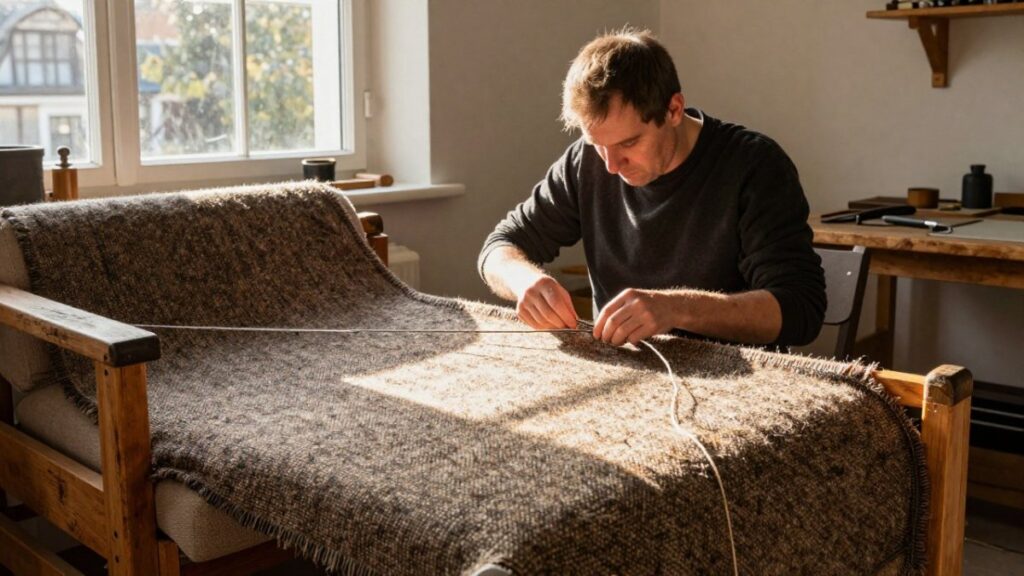
Hand-weaving matters because the weaver controls the tension and density of every pass of the yarn. The result is a tightly packed cloth with few loose spots, which gives the fabric its firm, even structure.
A dense weave makes a surface harder to snag and less likely to open up under pressure. Tight construction also means fewer loose fibres sitting on the surface, which reduces the chance of pilling. These are the physical reasons behind what makes Harris Tweed fabric durable, and why it tends to hold its shape across many years of use.
The article points to a few physical features that explain why Harris Tweed holds up over time.
| Factor | How it adds durability | Effect on wear |
|---|---|---|
| Hand-weaving | Weaver controls tension and density of every pass | Firm, even structure with few loose spots |
| Dense weave | Tightly packed cloth | Harder to snag and less likely to open under pressure |
| Tight construction | Fewer loose fibres on the surface | Reduced chance of pilling |
Why Harris Tweed Holds Up to Everyday Wear on a Sofa
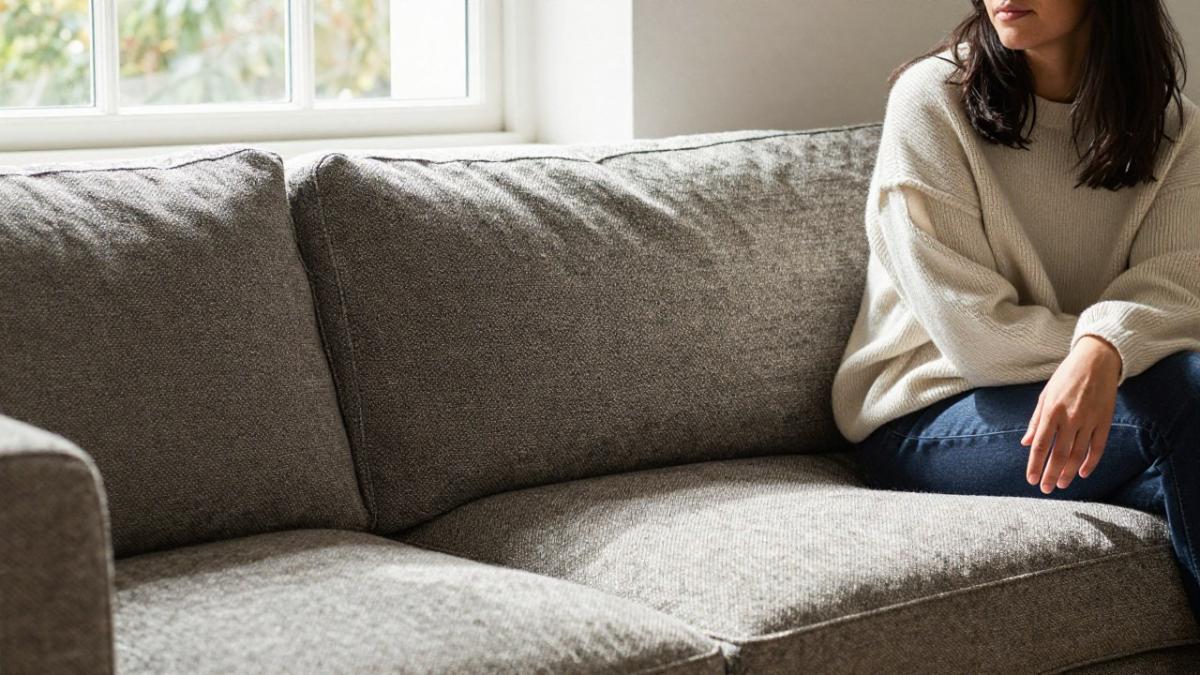
A sofa takes a steady beating from daily use.
Abrasion, Pilling and Snagging in Practice
Abrasion is the main threat to any upholstery. Repeated rubbing from clothing and bags slowly breaks down fibres, and how long any fabric lasts depends on use and care.
Pilling happens when loose fibres tangle into small balls on the surface. Snagging, where a thread is pulled by a sharp object such as a ring or zip, can occur on any upholstery fabric.
Caring for Harris Tweed Upholstery to Extend Its Life
Good care helps any upholstery last longer. The routines below are general guidance for wool upholstery.
Brushing and airing. Wool benefits from regular brushing with a soft clothes brush or upholstery brush. Brushing lifts dust and grit from the weave before it works into the fibres as an abrasive. Airing cushions, taking them outside on a dry day for an hour or two, helps dissipate moisture and odour. Most practitioners recommend brushing weekly in high-use rooms and airing cushions monthly.
Vacuuming. Use a vacuum with a soft brush attachment on a low suction setting. A hard nozzle or high suction can pull at the weave and disturb the surface fibres. Work in the direction of the weave rather than scrubbing across it.
Spot cleaning. Blot spills immediately with a clean, dry cloth, working from the outside of the stain inward to avoid spreading it. Do not rub, rubbing pushes the substance into the fibre and can felt the wool surface. For water-based spills, a barely damp cloth with a small amount of mild wool-safe detergent is usually sufficient. For oil-based stains, blot first and seek specialist advice before applying any product.
Watch out: Never use household bleach, enzyme-based cleaners or harsh alkaline products on wool. They strip lanolin and break down the fibre structure, and the damage is permanent.
Rotating cushions. Turn and rotate loose seat and back cushions regularly so that wear is distributed evenly. The seat front edge and the arm tops take the most abrasion, and rotation prevents a single area from wearing thin while the rest of the cover remains sound.
Sunlight and heat. Keep the sofa out of prolonged direct sunlight, which fades dyed wool over time. Position it away from radiators and fires, because sustained heat dries the fibres and makes them brittle.
Storage. If you store the sofa or cushions, clean them first and store in a dry, ventilated space. Damp storage invites moth damage, which is one of the few failure modes that can ruin a wool cover quickly.
Professional cleaning. For deep cleaning or stubborn stains, use a specialist upholstery cleaner who understands wool. Check the care label first, and confirm the cleaner has experience with woollen upholstery. A wrong process can shrink or felt the cloth.
Moth prevention. Moths are the most serious threat to stored or seldom-used wool. Keep the sofa and cushions clean, vacuum crevices where dust and hair collect, and use cedar or lavender sachets in storage. If you see small holes or casings, act promptly.
Good care is cumulative. A few minutes of brushing and a quick blot of spills each week will help upholstery last longer.
Limits of Harris Tweed and When It Is Not the Right Choice
Heavy use in a busy family home with pets may need more attention than a lighter-use setting. Wool is naturally warm, so a sofa in a very warm room may feel heavier to sit on. If you want a completely smooth finish or the easiest possible wipe-clean surface, a performance synthetic or leather may suit you better. Be honest about how you live before choosing.
Checking You Are Buying Authentic Harris Tweed for Your Tetrad Sofa
When you choose a Tetrad sofa, ask the retailer to confirm the fabric’s origin and provenance before you buy.
Look for clear information about the fabric on the product listing and in the paperwork, and do not hesitate to ask questions before you buy.
Last Updated: November 13, 2026
Frequently Asked Questions
What makes Harris Tweed fabric durable?
Harris Tweed is a woollen cloth traditionally woven in the Outer Hebrides. Upholstery lasts longest when it is used and cared for sensibly.
Is Harris Tweed suitable for sofa upholstery?
Harris Tweed is a woollen cloth that can be used for upholstery. If you are considering it for a Tetrad sofa, ask the retailer which fabric options are available for your chosen model.
How do you care for Harris Tweed upholstery?
Vacuum wool upholstery regularly using a soft brush attachment. Treat spills promptly by blotting rather than rubbing, and follow any cleaning code given on the sofa’s label.
How can you check that Harris Tweed is authentic?
When you choose a Tetrad sofa, ask the retailer to confirm the fabric’s origin and provenance before you order.

